
The Press: Nature credit market could help native ecosystems survive, conservationists say
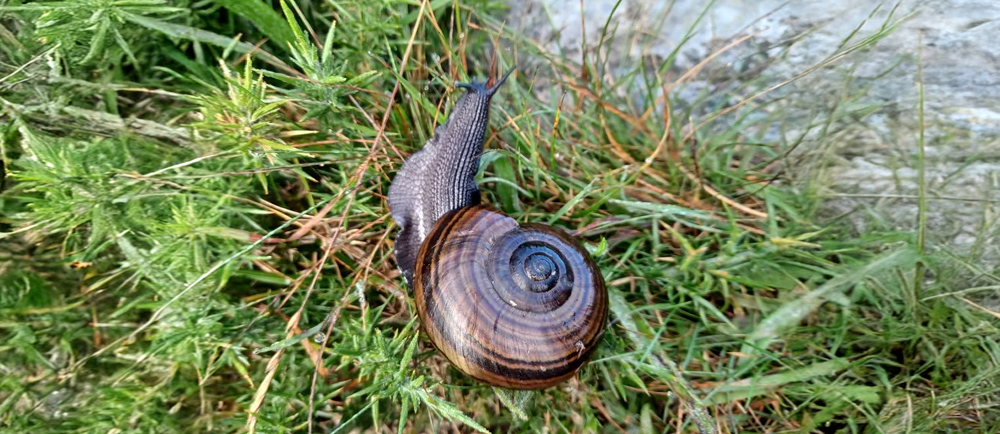
A Powelliphanta hochstetteri /giant land snail found near a sanctuary proposed by the Tākaka Hill Biodiversity Group Trust. The trust says measuring species like powelliphanta helps provide the evidence needed to verify biodiversity outcomes for the pilot biodiversity credit project on the Tākaka Hill. Photo supplied by Tākaka Hill Biodiversity Group.
The Press has reported on the growing case for a nature credit market in Aotearoa New Zealand, featuring Ekos and the Tākaka Hill Biodiversity Group Trust’s pilot biodiversity credit project.
The article, written by Katy Jones for the Nelson Mail section and published July 15, 2026, centres on the Karst Forest Sanctuary — a 4.5-acre remnant forest between Abel Tasman and Kāhurangi national parks that is home to the giant land snail Powelliphanta hochstetteri. Charmaine Petereit, the trust’s project manager, told The Press that grant funding alone can't guarantee the decades of work biodiversity recovery requires, and that the trust is instead exploring biodiversity credits through a programme run by Ekos as a more durable revenue stream.
Ekos chief executive Sean Weaver was also interviewed, pointing to Ekos’s work with Sanctuary Mountain Maungatautari in Waikato as one of the few examples of biodiversity credits trading internationally. Weaver told The Press that while the voluntary carbon market has decades of standards and institutional backing behind it, the biodiversity credit market is still “in its infancy globally” — and that no one has yet done the work of stimulating demand for it. He argued New Zealand needs to market itself globally as a source of high-integrity credits to reach corporates facing ESG and nature-related financial disclosure requirements.
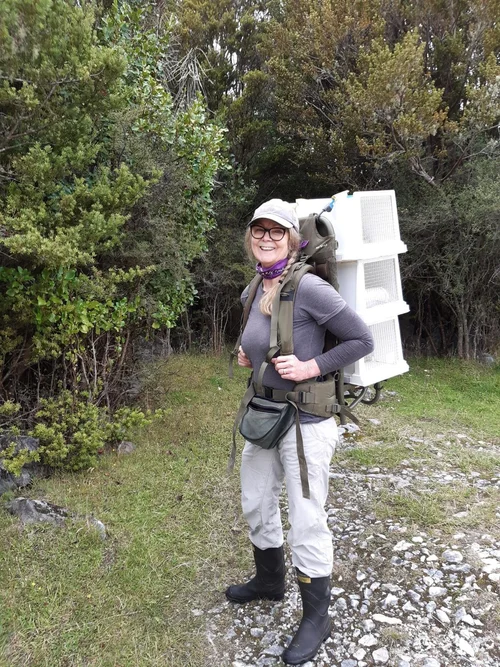
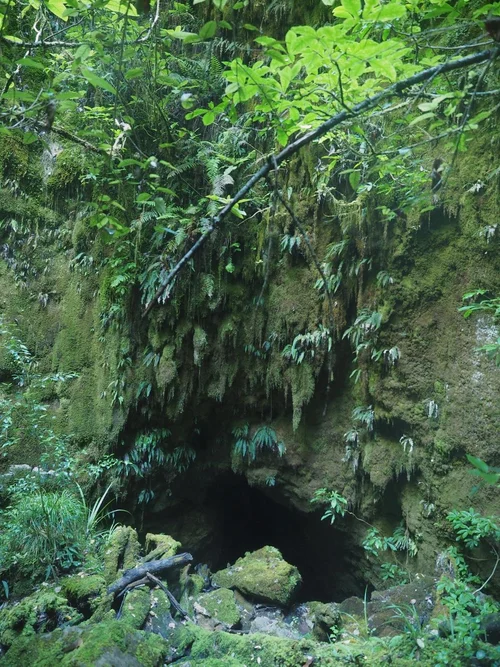
Left: Charmaine Petereit, trust co-founder, on predator control duty. Right: The Karst Forest Sanctuary, between Abel Tasman and Kahurangi. Photos supplied by Tākaka Hill Biodiversity Group.
The piece also draws on a recent Bank of New Zealand-commissioned report, which found the international voluntary nature credit market — spanning biodiversity and carbon credits from projects like forest and wetland restoration — is forecast to grow from $2.6 billion today to $35.5 billion by 2030. The Nature Conservancy Aotearoa New Zealand’s Erik van Eyndhoven, a co-author of that report, said New Zealand’s credit supply remains limited by funding gaps and investor confidence concerns, though he credited the Government's recent endorsement of governance bodies as a step toward addressing the latter.
Associate Minister for the Environment Andrew Hoggard told The Press the Government is building two accreditation pathways — one for schemes already recognised by international bodies, and a new opt-in New Zealand endorsement pathway for locally vetted schemes — to help grow trust and investment in the sector.
We’re glad to see this level of mainstream coverage of the biodiversity credit market — and proud that both our work with the Tākaka Hill Biodiversity Group Trust and our CEO Sean Weaver’s perspective on scaling high-integrity nature credits made it into the piece. Stories like this help build the public and investor understanding this market needs to grow.
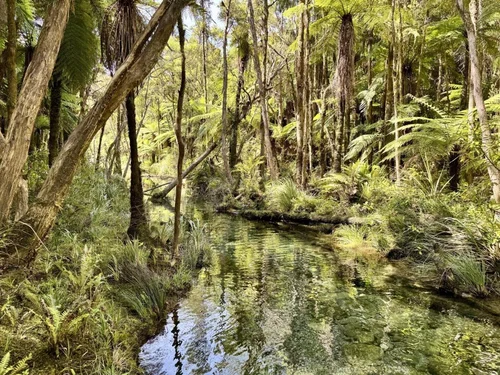
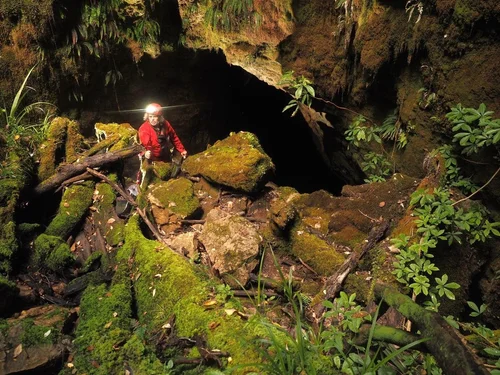
Left: Restored river catchments help guard against flooding and drought. Right: Long-term cave monitoring underpins the credit verification. Photos supplied by Erik van Eyndhoven and Tākaka Hill Biodiversity Group.
Further reading
Read the full (paywalled) article at The Press or read it on the Tākaka Hill Biodiversity Group’s website
Learn more about Ekos BioCredita