
Kiwibank Backs Biodiversity Credits at Sanctuary Mountain Maungatautari
Kiwibank has become one of New Zealand’s early adopters of biodiversity credits, purchasing credits generated through Sanctuary Mountain Maungatautari in partnership with Ekos. We asked them five questions about why.
What Kiwibank hoped to achieve
Kiwibank’s goal was to take tangible action supporting on-the-ground conservation and add more depth and outcomes for New Zealand as part of their carbon offsetting approach. For a bank built around a better future for Aotearoa, backing nature through verified credits was a natural next step.
“As we begin to understand our relationship with nature, we’re proud to take this first step by supporting Sanctuary Mountain Maungatautari,” said Julia Jack, Kiwibank Chief Purpose & Brand Officer. “It’s one way we’re bringing our purpose to life by contributing to a better future for Aotearoa New Zealand.”
Why this project
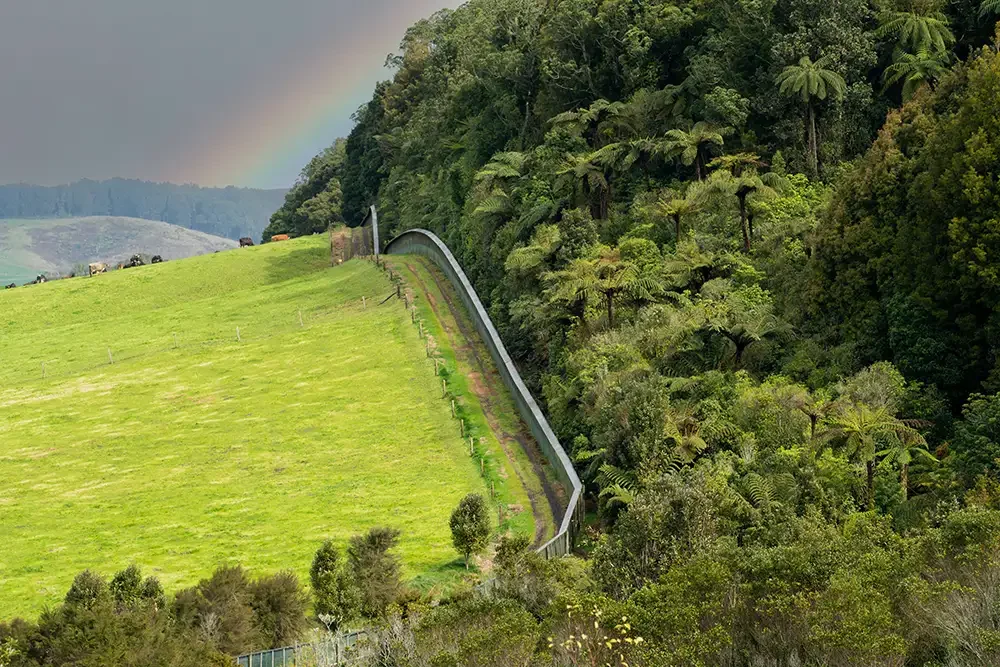
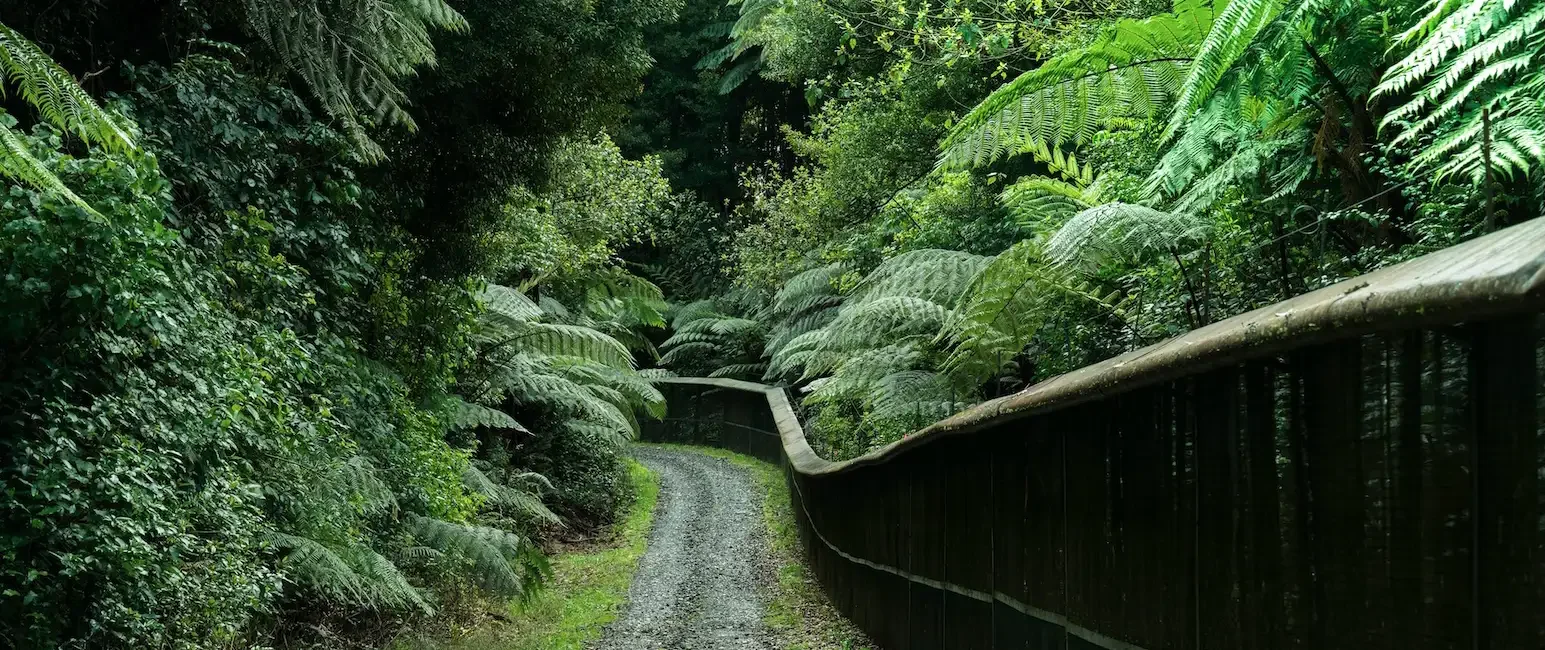
Sanctuary Mountain Maungatautari is the world’s largest pest-fenced eco-sanctuary, protecting 3,363 hectares of native forest and providing a safe haven for some of the country’s most threatened species, including kiwi, takahē, kākāpō, hihi and tuatara. For Kiwibank, it offered a credible, locally based way to support verified biodiversity outcomes based right here in Aotearoa, with confidence coming from the transparency of the Ekos SD Registry.
The moment it got real
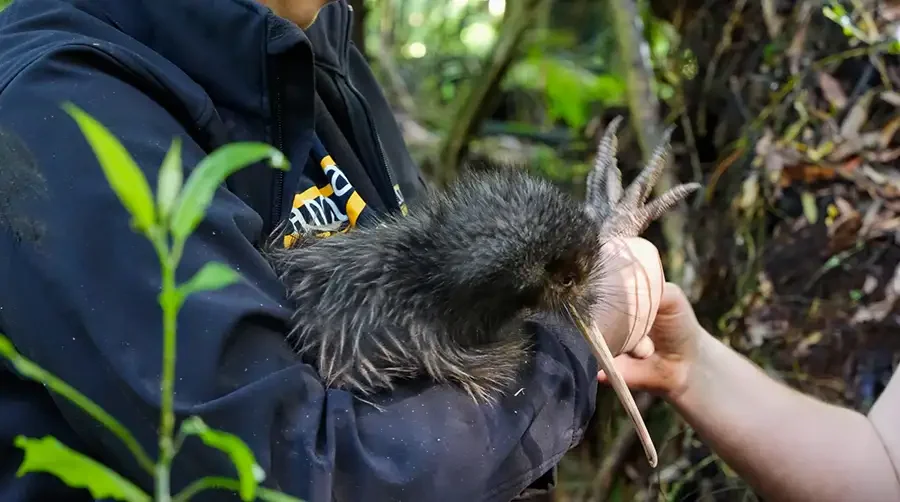
Sometimes a number on a page becomes something more. For Kiwibank, that moment came when the team visited Sanctuary Mountain and met Rimu, a kiwi found burrowed beneath a rimu tree during a health check. It put, in their words, “a tangible face on the conservation mahi the credits support.”
What these credits are and aren’t
Kiwibank is clear about this: biodiversity credits do not offset carbon emissions. They are a complement to, not a replacement for, reducing operational emissions. A biodiversity credit is a measured, reported and independently verified conservation outcome that the buyer funds. It represents a direct investment in nature, separate from and alongside a business’s emissions reduction commitments.
How Kiwibank tells the story
Asked how they talk about biodiversity credits internally and externally, Kiwibank said the approach puts the conservation mahi at the centre. That framing matters. As more businesses look to demonstrate genuine environmental leadership, the focus on real, verified outcomes on the ground is what sets biodiversity credits apart.
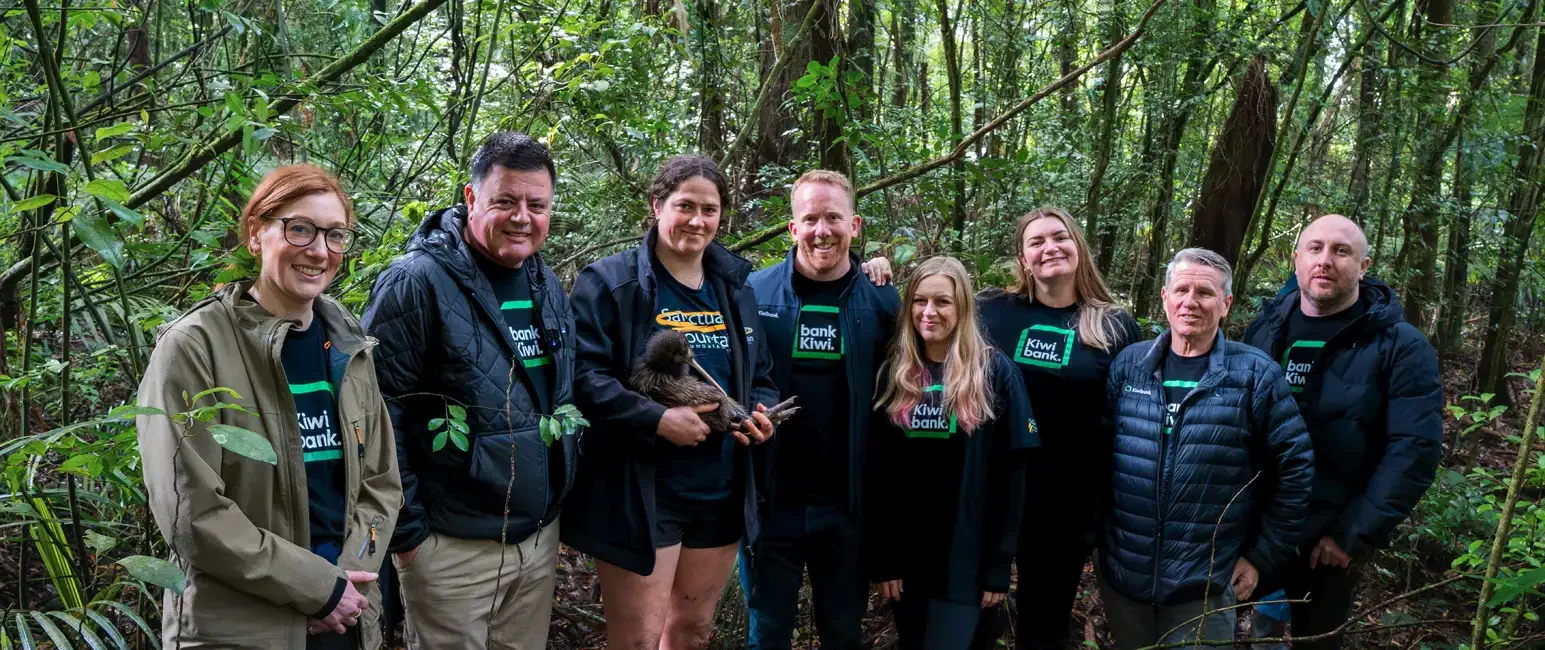
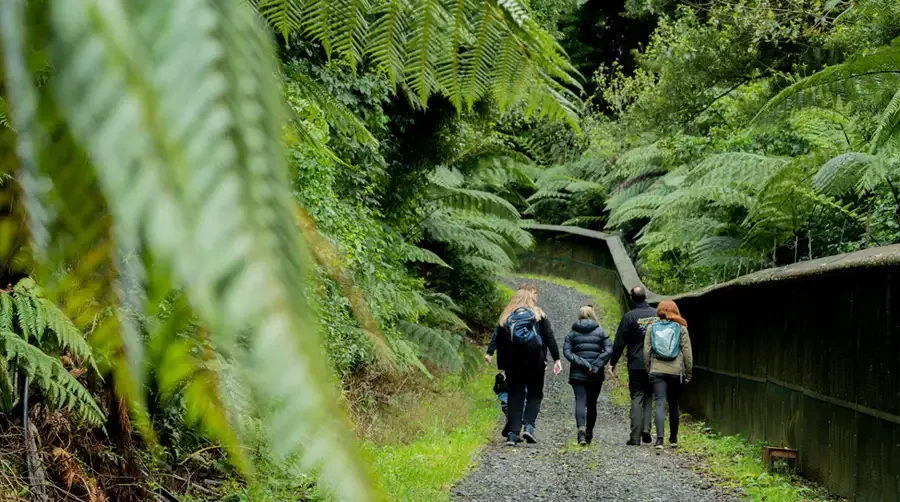
The Kiwibank team at Sanctuary Mountain Maungatautari.
What this means for nature markets in Aotearoa
Sean Weaver, Founder and CEO of Ekos, said Kiwibank’s commitment reflects a growing understanding among businesses that nature is a strategic partner in a sustainable economy.
“We’re increasingly seeing business leaders recognise the strategic value of nature as ecological infrastructure. This infrastructure delivers water purification, soil formation, nutrient cycling, flood protection and drought resilience — things that would be prohibitively expensive to replace with engineering,” he said.
“Seeking conservation funding from grants is like fishing in a river. Nature markets are like fishing in the ocean — there are far more fish there, but you need more sophisticated gear to get them.”
Helen Hughes, Chief Executive of Sanctuary Mountain Maungatautari, welcomed the partnership as an important step towards unlocking new conservation funding.
“Conservation at the scale required to reverse biodiversity loss cannot be funded by philanthropy and government funding alone. We need innovative mechanisms that channel private sector dollars into nature. Biodiversity credits create a direct connection between buyers wanting to make a positive impact and projects delivering measured and verified outcomes on the ground.”
Kiwibank CEO Steve Jurkovich shared the news on LinkedIn, encouraging other businesses to follow suit. “Biodiversity credits can be a game changer,” he wrote. “I encourage all businesses to consider this as an option if you are looking to offset your impact.”
Thinking about how your organisation could back nature? Get in touch or learn more about Ekos Biodiversity Credits.