
Benedict Cumberbatch and Ekos BioCredita: Why Nature is Bankable
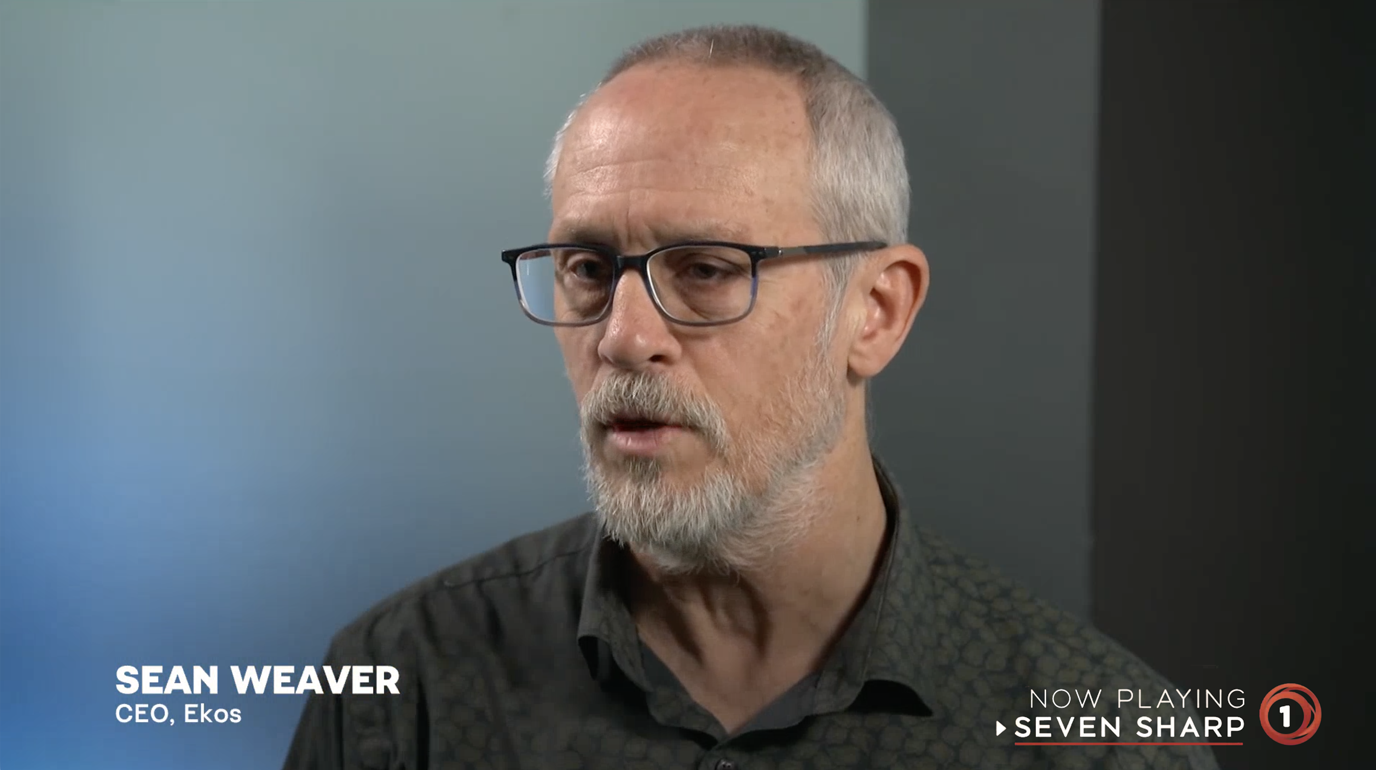
Ekos CEO Sean Weaver recently joined actor and environmental advocate Benedict Cumberbatch in a joint interview that aired on Seven Sharp, making the case for biodiversity credits as a credible and compelling investment in nature.
Sean explained what biodiversity credits mean in practice: measurable environmental benefits that private investors can buy, whether that is protecting a penguin colony from predators, removing possums from forest, or recognising that a wetland, properly valued, is essentially a water purification plant. The narrator noted that Ekos is the first New Zealand company to give this a go.
Benedict Cumberbatch and New Zealand
Cumberbatch’s passion for nature is deeply personal, and New Zealand plays a significant part in that story. He first fell in love with the country while filming The Power of the Dog here, and a Covid lockdown spent in New Zealand with his family deepened that connection further. He has spoken about his family feeling held by the landscape, and credits the experience with opening his children up to nature through gardening, walks, and eventually surfing. New Zealand’s range of landscapes, he says, is a gift.
He is in New Zealand for the Auckland premiere of his new documentary, which explores how we eat, invest in, and value the natural world that is being destroyed around us. It is a subject he cares deeply about, and one he is backing with his own money — he confirmed during the interview that he has already invested in nature, and that New Zealand absolutely needs more of it. He notes that nature does not care about the size of the investment, whether it is a window box or a large farm.
The financial case for nature
The central argument Cumberbatch makes is one that will resonate with anyone following the growth of voluntary nature markets: that biodiversity is bankable. He argues that the people who own land rich in nature stand to become among the wealthiest on earth, precisely because the things nature produces have real market value. Once capitalism finds nature profitable to protect, he says, conservation will accelerate. He frames it simply as turning the green into the gold.
Alongside the financial case, he makes an important point about equity: that recognising and repaying the indigenous peoples who have long been the stewards of nature must be part of how these markets develop. It is a principle that sits at the heart of how Ekos approaches its work.
Where Ekos comes in
It is exactly the kind of market that Ekos has been building through BioCredita, the world’s first biodiversity credit programme to be validated to the High-Level Principles of the Biodiversity Credit Alliance, World Economic Forum, and the International Advisory Panel on Biodiversity Credits.
The results speak for themselves. In May 2026, Sanctuary Mountain Maungatautari, the first verified BioCredita project, was ranked the top-selling biodiversity credit project globally, accounting for 43% of total worldwide biodiversity credit sales that month. Almost all of that demand came from New Zealand businesses choosing to back a New Zealand project, from engineering consultancies and manufacturers to tourism operators and educational institutions.
With new assurance partners McHugh & Shaw and Wildland Consultants Ltd now on board to deliver validation and verification services, and a growing pipeline of projects from New Zealand, Australia, USA, Mongolia, and Uganda, the momentum behind BioCredita is only growing.
As Cumberbatch put it, nature does not care how big or small the investment is. What matters is that the investment happens. Ekos is here to help make that possible.