
HealthPost: Case Study
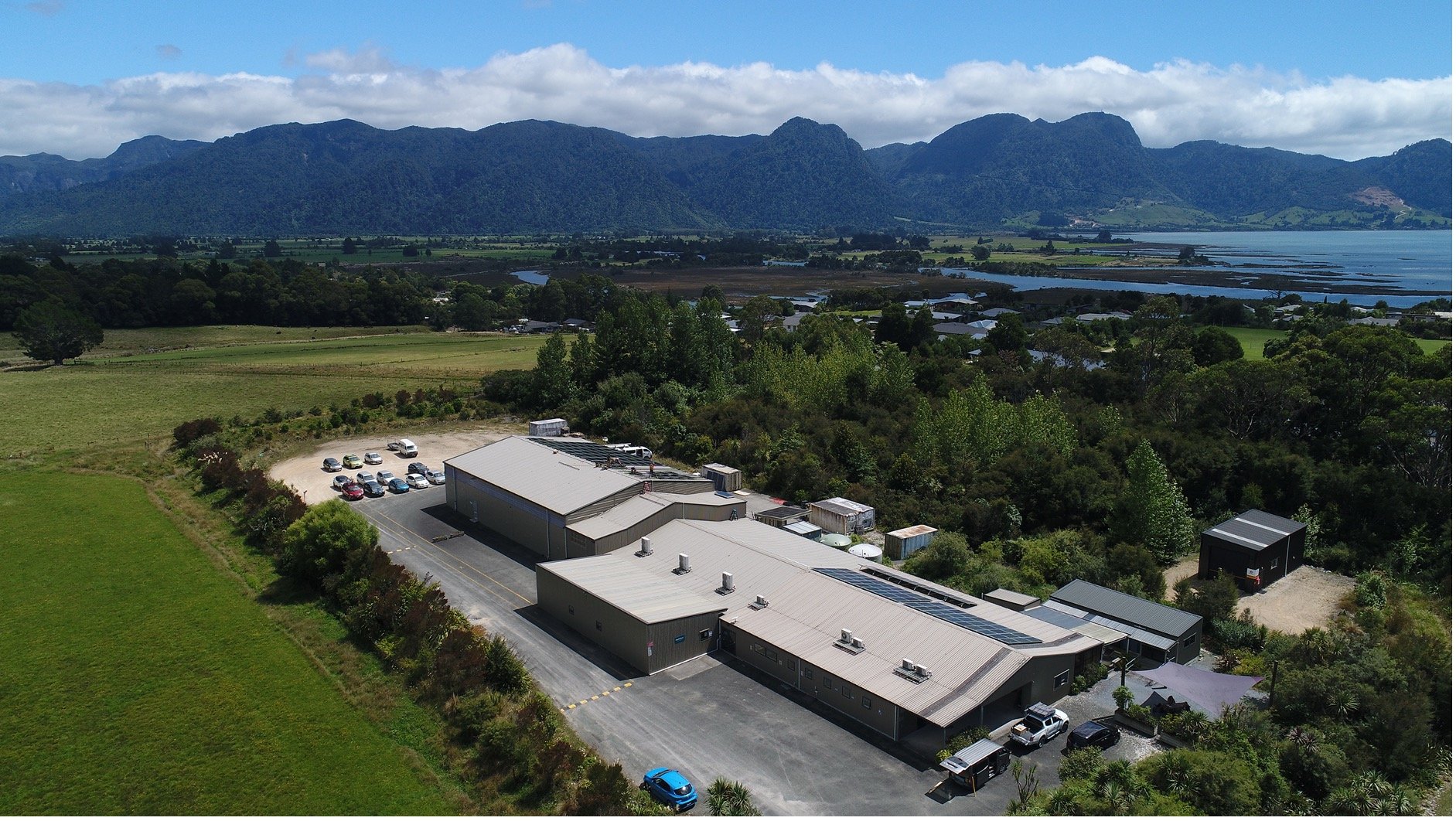
Health Post building with solar pannels on the roof.
What motivated you to begin working with Ekos and what do you aim to achieve?
Our business vision is to have a lasting positive impact on the wellbeing of people and the planet, so taking our carbon footprint seriously felt like a natural extension of who we are. We teamed up with Ekos because we wanted a credible, verified way to understand and manage our emissions each year, and to hold ourselves to account through the annual recertification process. Our overall aim is to maintain our Net Zero Carbon Certification while year on year reducing our actual footprint, not just offsetting it.
What have you learnt from working with Ekos on carbon management? Have you seen any benefits? Were there any challenges and how did you overcome them?
Working with Ekos has given us real visibility into where our emissions actually come from and where we need to focus to achieve meaningful reduction. As an online retailer, unsurprisingly freight turned out to be by far our biggest source, making up around 71% of our total footprint as at 2025. This visibility has enabled many conversations with our freight providers and we continue to strive for improvement and change in this area. One of our earlier challenges was improving data quality in harder-to-measure areas like staff commuting and working with Ekos we’ve managed to implement some changes to our timesheet process to capture this. We’ve also been able to tackle many data improvements over the years using the data quality ratings Ekos provides as a practical to-do list.
What sustainability initiatives are you currently engaged in? and how will these impact your business for a sustainable future?
We've invested in solar energy at our main warehouse in Golden Bay, we use recycled plastic and paper-based packaging, and we partner with suppliers who share our values — including brands sourcing renewable electricity. Every year we offset our unavoidable emissions through New Zealand carbon credits sourced from local, government-verified native forest projects. This approach to offsetting amplifies the nature regeneration work we do in Mohua Golden Bay through the HealthPost Nature Trust. We're always looking for the next practical step to reduce our actual footprint rather than simply offset it, because we know that's what a sustainable future really requires.
What changes have made the biggest impact?
Firstly, simply having the data has been the most transformative thing. Once we could see that outward air freight alone was responsible for over 40% of our entire carbon footprint, it changed the conversations we were having internally and with our logistics partners in a way that wouldn't have been possible before we started measuring. Beyond that, our solar installation at Collingwood and reductions in business waste and travel have all contributed to a meaningful overall improvement since our base year.
For you, what might a low carbon business look like?
For us it starts with freight — finding ways to get products to customers with less reliance on air freight, greater electrification and lower emission options is our single biggest opportunity. Beyond that, it's fully renewable energy across all our sites, supporting our team to commute more sustainably, and working with suppliers who are on the same journey. Ultimately, we want growth to stop automatically meaning more emissions — so that as the business expands, our environmental impact doesn't have to.
What areas have you looked at to make your GHG emissions report more complete? Have you learnt about bettering your data collection?
Over six years of measurement we've progressively expanded what we capture — adding Well-to-Tank emissions, purchased goods from key suppliers, end-of-life packaging emissions, and staff commuting data collected through weekly timesheets. Each year the review process with Ekos helps us identify where data quality could be stronger, and we use those findings as a practical guide for improvement. It's an ongoing process, but the inventory gets more accurate and complete every year.
What will your company's sustainability look like by 2030?
By 2030 we want to have made meaningful progress on our freight emissions — our biggest challenge — and to be telling a genuine story of decarbonisation, not just offsetting. We expect our emissions intensity to have fallen significantly as we grow without a proportional increase in footprint. We also want our sustainability to run deeper through the supply chain, with more suppliers engaged and a clearer view of the embedded carbon in the products we sell.
How do you communicate your actions and certification?
We share our sustainability credentials through our website and make our emissions inventory available to anyone who wants to see it — staff, customers, suppliers, or the public. The independent verification by Ekos gives our claims real credibility, which matters to our customers who rightly expect more than good intentions from a natural health brand. We're also continuing to develop how we communicate the story in a way that's accessible and meaningful, not just technical.
What are the links between your sustainability and social goals?
For us, they've always been the same goal. Our reason for existing is to have a positive impact on people and the planet — and you can't genuinely care about people's health and wellbeing while ignoring the environment that supports it. Being based in Golden Bay, one of New Zealand's most beautiful places, makes that commitment very real for our team. It's not an abstract value; it's something we see and live every day.