
Client Spotlight: FSL Foods
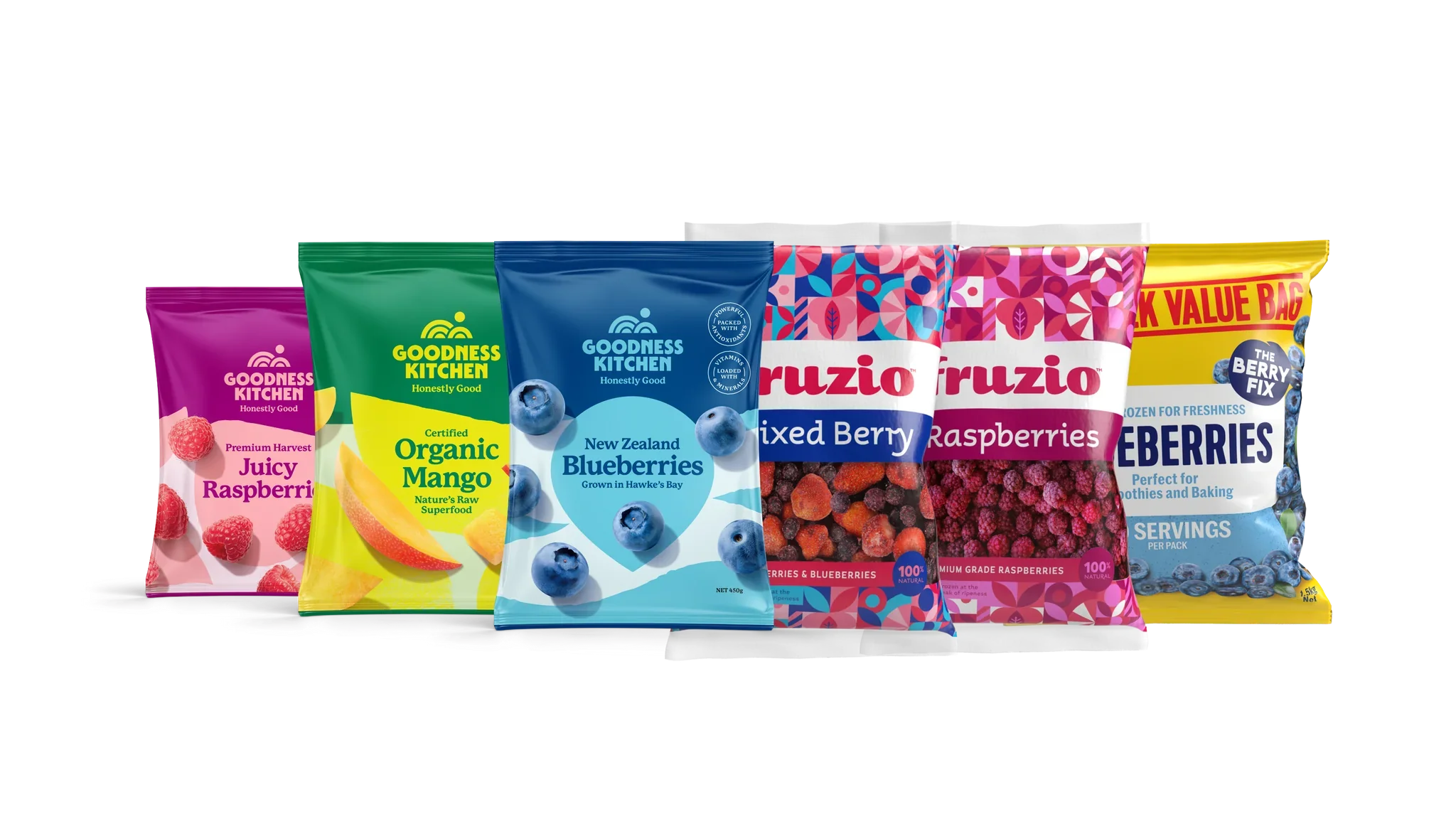
FSL Foods has been working with Ekos to measure and manage its emissions, strengthen sustainability practices, and improve data quality across the business. With a new purpose-built facility underway and sustainability embedded in long-term planning, FSL is taking practical steps towards a more resilient and sustainable future.
1. What motivated you to begin working with Ekos and what do you aim to achieve?
As a proudly New Zealand-owned FMCG business, understanding and managing our environmental impact is an important part of how we operate and grow. With our headquarters and production facility based in Nelson and our team across the Tasman and Auckland regions, we wanted a clear understanding of our emissions footprint and the opportunities available to reduce it.
Partnering with Ekos gave us a trusted framework to establish a robust emissions baseline, measure our impact, and identify meaningful actions for improvement. Our goal is not only to reduce emissions but to embed sustainability into the way we make decisions and grow our business responsibly.
The Ekos team has been knowledgeable, practical, and supportive throughout the process, providing confidence in our data and, in turn, helping us make informed decisions that support both business resilience and environmental outcomes.
2. What have you learnt from working with Ekos on carbon management? Have you seen any benefits? Were there any challenges and how did you overcome them?
One of the biggest learnings we believe businesses find once they begin carbon management is the understanding that sustainability is not a one-off project. It requires ongoing commitment, collaboration, and continuous improvement across the business.
Working with Ekos has helped us gain visibility of our emissions profile and identify where we can make the greatest impact. It has also highlighted that many of the opportunities and challenges sit beyond our direct operations, particularly within our supply chain and freight networks.
The process has strengthened engagement across the business, encouraged more strategic thinking, and provided a valuable foundation for future sustainability initiatives. By working closely with suppliers and partners, we are building a clearer picture of our wider impact and identifying opportunities to improve together.
3. What sustainability initiatives are you currently engaged in, and how will these impact your business for a sustainable future?
Sustainability is a key consideration in our long-term business planning and investment decisions.
One of our most significant initiatives is the development of our new purpose-built headquarters and production facility in Nelson. The site has been designed with sustainability and operational efficiency in mind, incorporating modern technologies and infrastructure that support reduced environmental impact while creating a future-ready workplace for our team.
Alongside this, we continue to focus on reducing waste, improving operational efficiencies, strengthening supplier partnerships, and identifying opportunities to lower emissions across our supply chain. These initiatives support both our sustainability goals and our commitment to building a resilient business for future generations.
4. What areas have you looked at to make your GHG emissions report more complete? Have you learnt about bettering your data collection?
Reliable data is the foundation of meaningful carbon reporting and this is a key area we focus on to support our GHG emissions reports.
Over the years, we have worked to continuously improve our data collection processes, systems, and internal reporting. Through our partnership with Ekos, we've developed stronger processes for gathering information across our operations and supply chain, ensuring greater accuracy and consistency year on year.
This has not only improved the quality of our emissions reporting but has also provided better visibility into our business activities, helping us identify trends, opportunities, and priorities for future action. Strong data enables better decision-making and supports the long-term success of our sustainability goals.
5. How do you communicate your actions and certification?
Currently, we communicate our sustainability efforts through our website and some external communications. However, we see sustainability reporting as an ongoing journey and are continuing to develop how we share our progress with stakeholders.
Working with Ekos has helped us build a strong internal understanding of our emissions profile and sustainability priorities, and we have plans in place to begin sharing more of this work externally as our programme continues to evolve.
6. What are the links between your sustainability and social goals?
For us, sustainability extends beyond environmental impact. It also includes the wellbeing of our people, communities, suppliers, and customers.
As a family-founded New Zealand business, we are focused on creating long-term value and leaving a positive legacy. Our sustainability and social goals are closely connected through our commitment to ethical business practices, responsible sourcing, supporting local communities, creating a safe and inclusive workplace, and ensuring the long-term resilience of our business.
By balancing environmental responsibility with social and economic outcomes, we can continue to grow sustainably while making a positive contribution to the communities and industries we are part of.