
Waituna Nature Credits Pilot
Restoring the mauri of Waituna, one of Southland’s internationally significant wetlands.
Currently in the pipeline and not yet issuing credits.
- Project Idea Note
- Project Description
- Validation
- Verification & Credit Issuance
Waituna in Murihiku (Southland) is home to an internationally significant wetland system. It was once covered in lowland forest and wetland, but land conversion and drainage have transformed it. Water quality has declined, habitat has been lost, flood risk has grown, and the connections of mana whenua (those with customary authority over the land) to the land have been weakened.
The Whakamana te Waituna Charitable Trust is a partnership of iwi, government, industry and the local community. It is leading a landscape scale effort to restore the catchment’s ecological, cultural and economic vitality. Its vision is to restore the mauri (life force) of Waituna by repurposing up to 10% of the catchment, around 2,000 hectares, into uses that enhance biodiversity, improve water quality and support sustainable local livelihoods.
The Waituna Nature Credits Pilot is the next step in this work. The project will retire and restore marginal farmland, measurably increasing native lowland forest and wetland habitat. These verified biodiversity outcomes will then be turned into nature credits, linking investment directly to restoration on the ground and funding long term environmental improvement while supporting cultural values and the local community.

Project Idea Note (PIN)
Waitina Nature Credits Pilot Project. PDF, June 2026.
Location
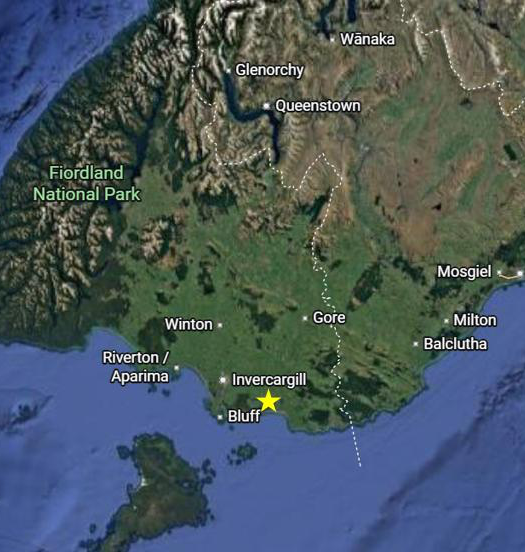
Murihiku (Southland), on New Zealand’s South Island.
What Is Being Protected
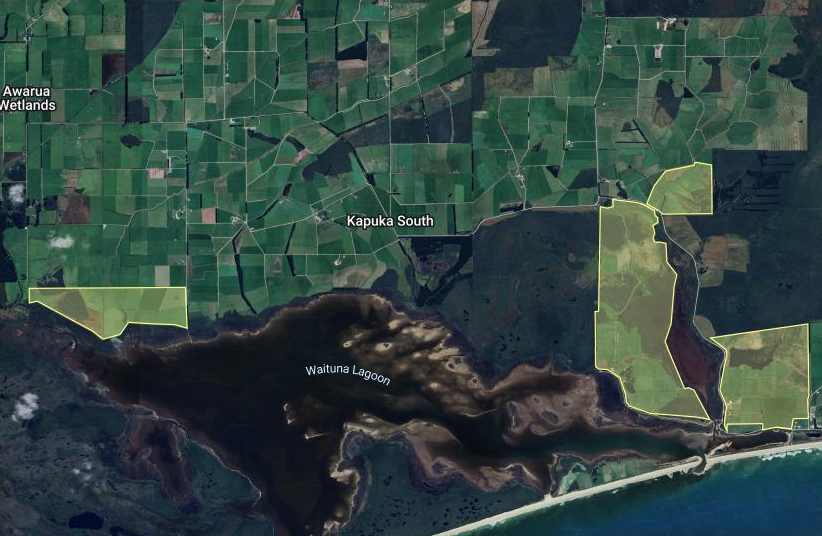
The Waituna Nature Credits Pilot protects and restores 555 hectares of the lower Waituna catchment, and aims to grow to 2,000 hectares over time.
A wetland of international importance
Waituna is part of the Awarua wetland complex, one of the largest lowland wetland systems in Aotearoa and a Ramsar listed wetland of international importance.
What it once was
The catchment was once a connected mosaic of peat bogs, swamps, marshes, open water and lowland podocarp and broadleaf forest, with streams flowing down to Waituna Lagoon. Today much of it has been drained and converted to pasture.
What the project will do
Within the project, 48 hectares of marginal farmland will be fenced off from stock and replanted, with weed and pest control. A further 403 hectares will be protected through pest animal control. Old drains will be blocked so water can sit in the landscape again and wetlands can return. Over the 30 year project, the land is expected to grow into mānuka forest, a stepping stone towards the taller native forest that once stood here.
Who benefits
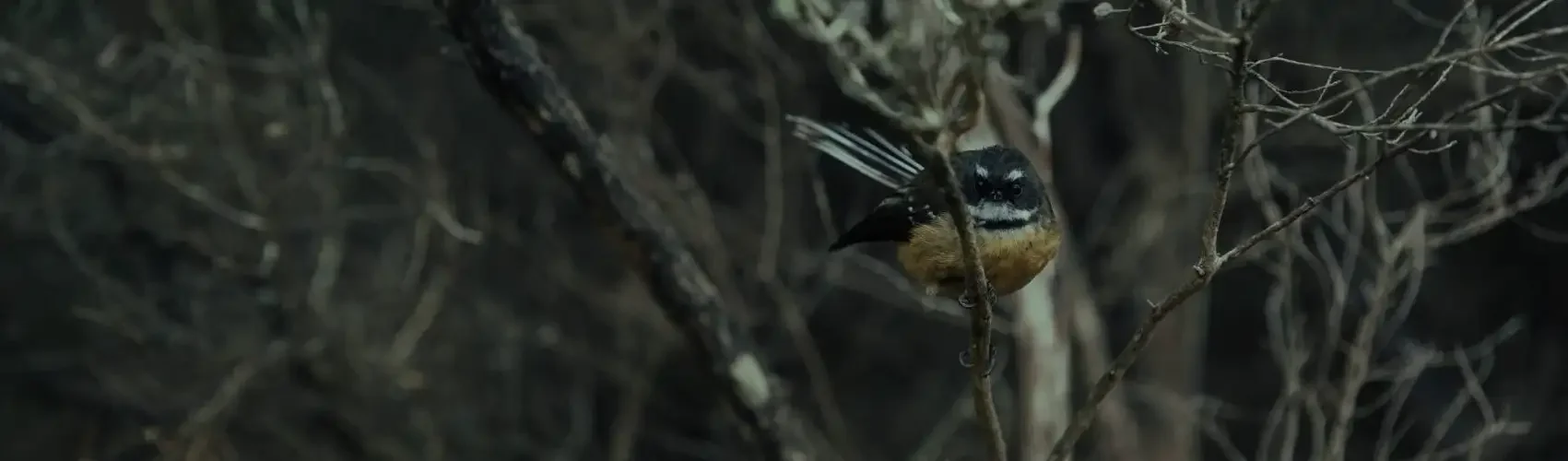
The restored habitat will support the Nationally Critical Australasian bittern (matuku) and fernbird (mātātā). It will also support native freshwater fish such as īnanga, giant kōkopu and banded kōkopu. Cleaner water will flow into Waituna Lagoon, benefiting its unique plants and wildlife.
People and place
Restored wetlands and forest will also bring back mahinga kai (traditional food gathering) areas and strengthen the connection between mana whenua and the whenua.
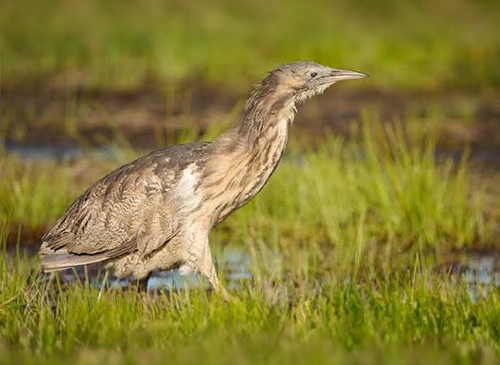
Matuku / Australasian bittern
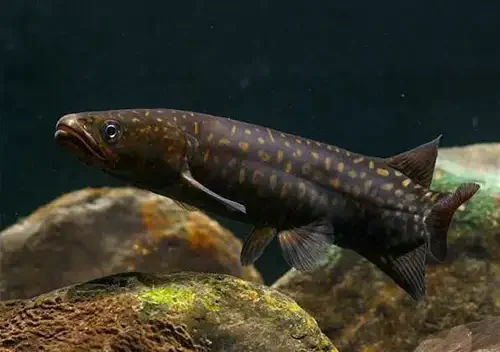
Giant kōkopu
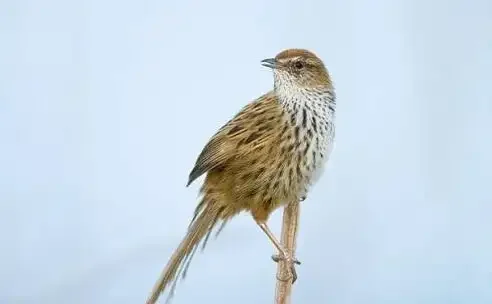
Fernbird / mātātā
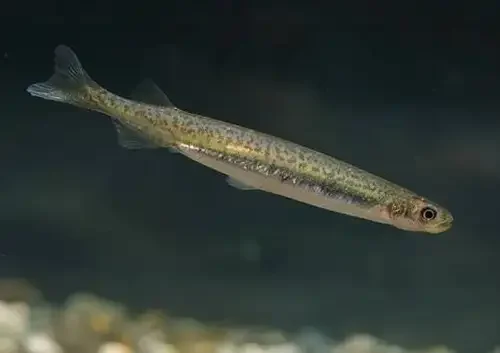
īnanga
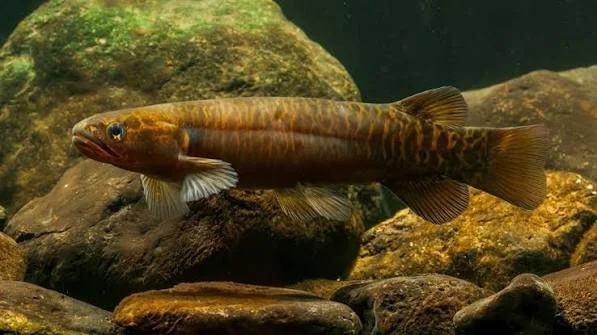
Banded kōkopu