
Te Toa Whenua
Te Roroa caring for the forest, rivers and coast that sustain Tāne Mahuta.
Currently in the pipeline and not yet issuing credits.
- Project Idea Note
- Project Description
- Validation
- Verification & Credit Issuance
Tāne Mahuta, the great kauri standing in Waipoua Forest in Te Tai Tokerau, is both a living taonga (treasure) and a barometer of how well Aotearoa cares for its biodiversity. He is a mōrehu, a survivor of Aotearoa’s lost forests, and his survival into the 21st century is nothing short of miraculous.
Te Toa Whenua is Te Roroa’s kaupapa (initiative) to honour the responsibility of kaitiakitanga (guardianship) across the lands and waters of its rohe (territory), the whenua that nourishes Tāne Mahuta and the wider ngahere (forest) around him.
The project will restore, conserve and enhance native ecosystems across five zones:
The Te Roroa Whenua Waipoua catchment, including the fire damaged Ngā Manga Atawhai
Waipoua Forest, with a focus on kōkako and kiwi recovery
Maunganui Bluff
Arai te Uru at the Hokianga south head
The Waipoua Awa corridor
The work includes:
Controlling invasive weeds and pests such as possums, rats, stoats and wild cattle
Indigenous planting
Protecting wāhi tapu (sacred places)
Recovering three Nationally Threatened species: kōkako, Pimelea eremitica and shortjaw kōkopu
Through the Ekos BioCredita programme, Te Toa Whenua aims to move from contract funded work to self sustaining kaitiakitanga. As Te Roroa’s foundation biodiversity credit project, it will help shape future projects across the wider rohe under the regional kaupapa He Ripo Kau.

Project Idea Note (PIN)
Te Toa Whenua Project. PDF, October 2026.
Location
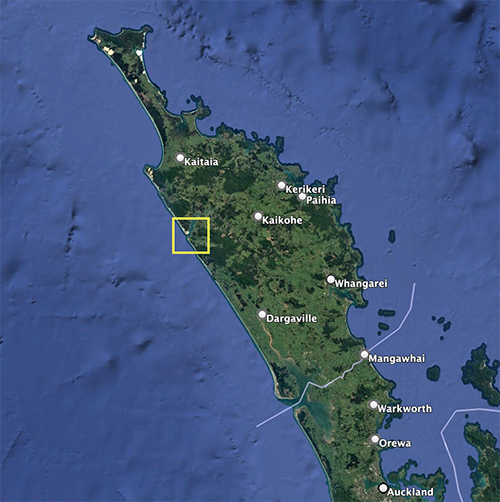
South Hokianga, Waipoua and Maunganui Bluff in Te Tai Tokerau, on the North Island of New Zealand.
What Is Being Protected
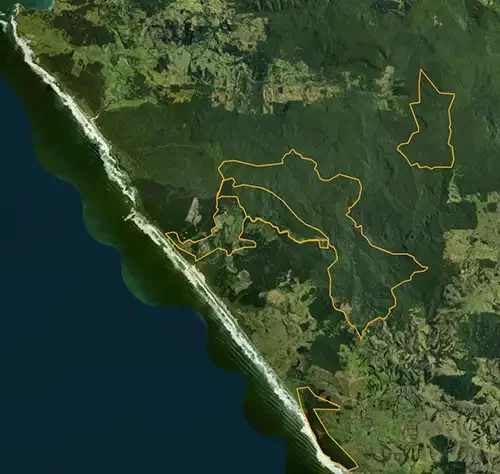
Te Toa Whenua protects a mosaic of native ecosystems across Te Roroa’s rohe in Te Tai Tokerau, with predator control covering 2,930 hectares.
The forest
At its heart is Waipoua Forest, 1,810 hectares of intact kauri, podocarp and broadleaf ngahere. It is home to Tāne Mahuta, North Island kōkako and North Island kiwi, and needs ongoing protection from predators and kauri dieback.
The coast
The cliffs and scrub of Maunganui Bluff and Arai te Uru at the Hokianga south head shelter Pimelea eremitica (Ngā Roimata o Tōhē), a Nationally Critical coastal plant, along with other coastal flora.
The river
The Waipoua Awa and its riparian margins provide habitat for the Nationally Vulnerable shortjaw kōkopu, longfin tuna and other freshwater taonga.
Healing the land
The project also heals land recovering from past damage, including former plantation forestry on Te Roroa Whenua Waipoua that is returning to native bush, and the Ngā Manga Atawhai area burnt in February 2025.
Room to recover
Wetland edges, alluvial flats, seasonally flooded riparian areas and wāhi tapu are also protected, giving native birds, lizards, invertebrates and freshwater fish room to recover.
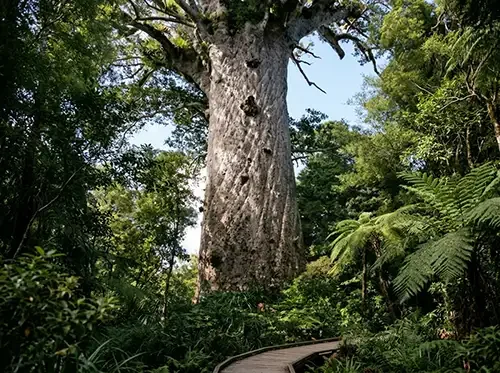
Tāne Mahuta

Kōkako
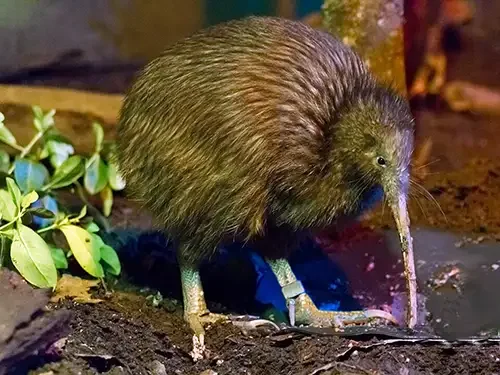
North Island brown kiwi
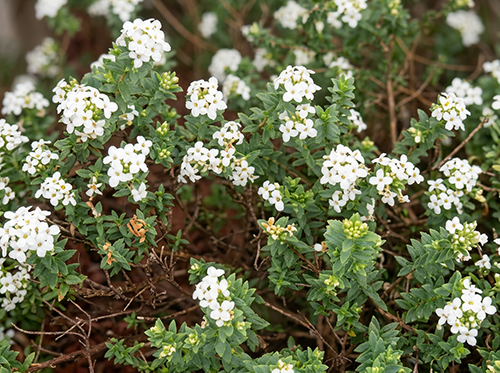
Ngā Roimata o Tōhē
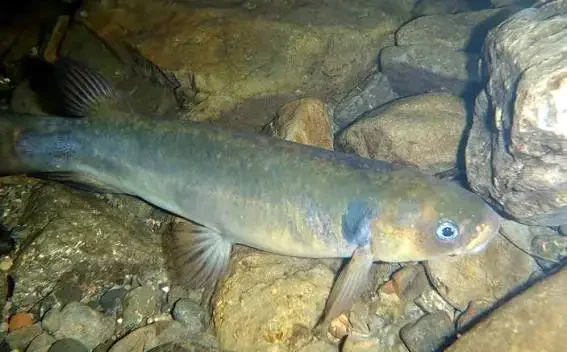
Shortjaw kōkopu
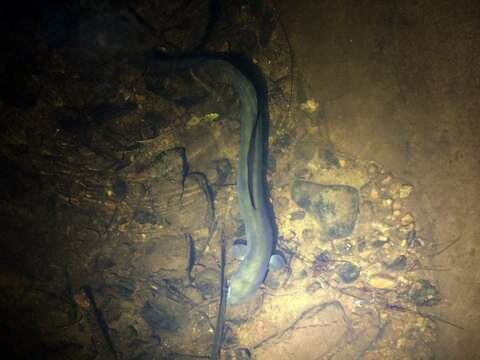
Longfin Tuna