
Padezaka - Babatana Rainforest Conservation Project

Te Ngāhere - The Forest
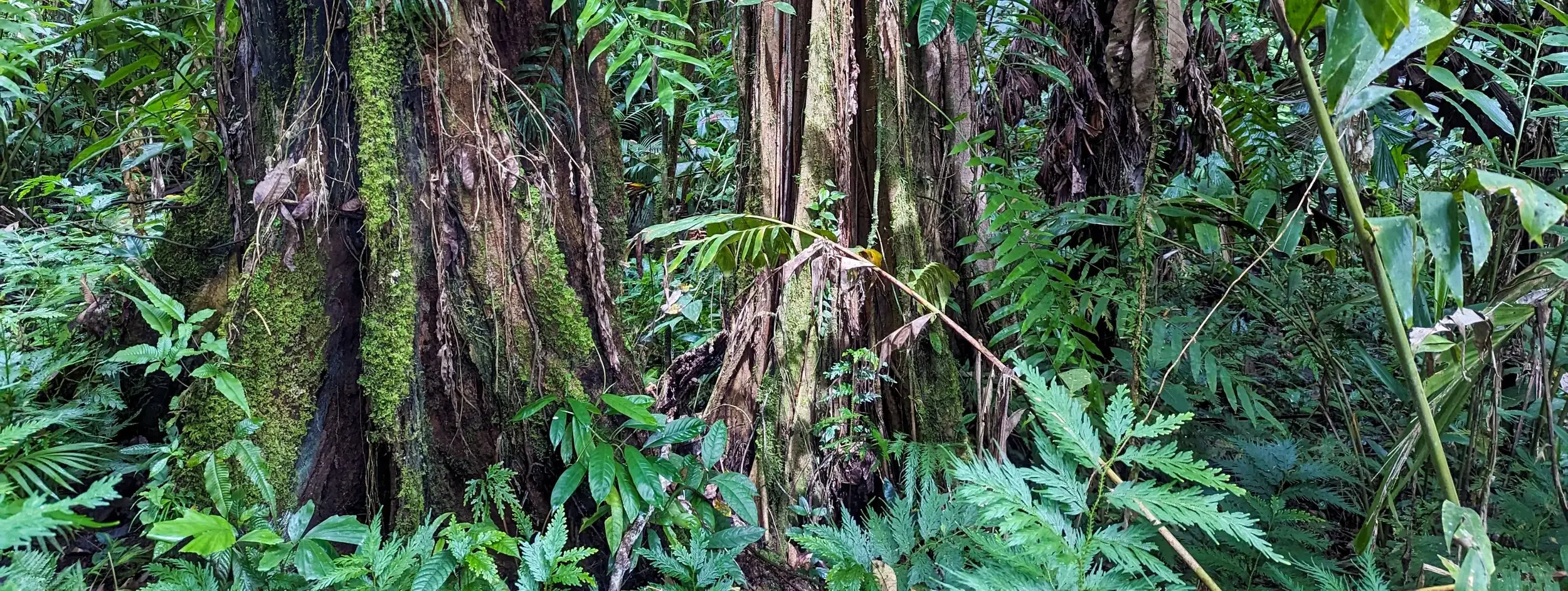
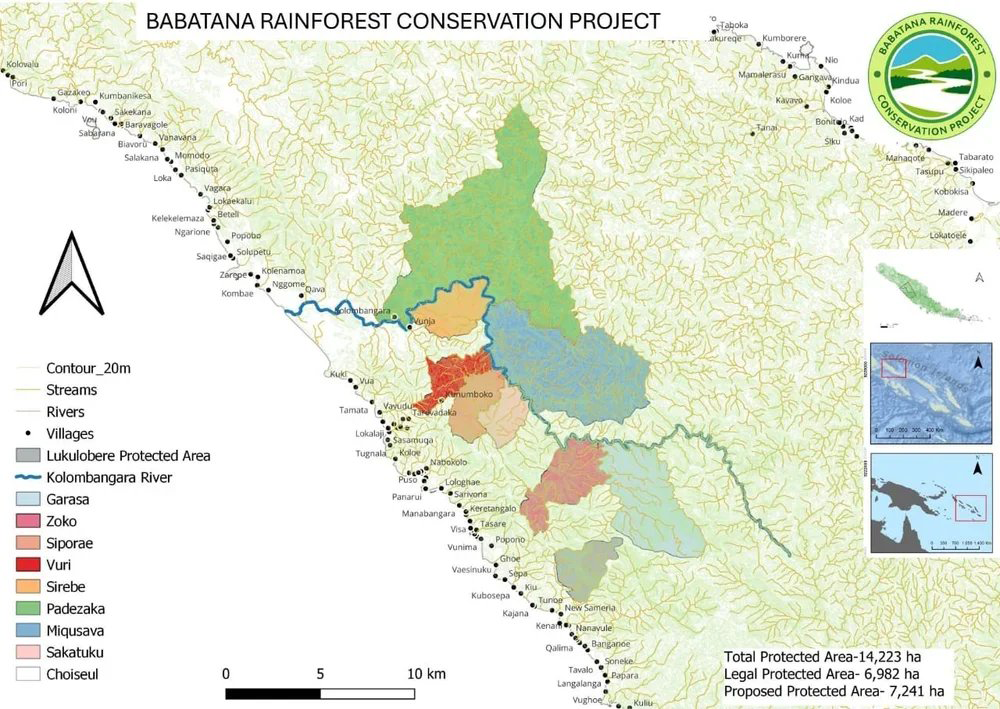
Padezaka Tribe is a member of the Babatana Rainforest Conservation Project, which brings together eight tribes and helps legally protect more than 7,000 hectares of tropical rainforest on South Choiseul in Solomon Islands.
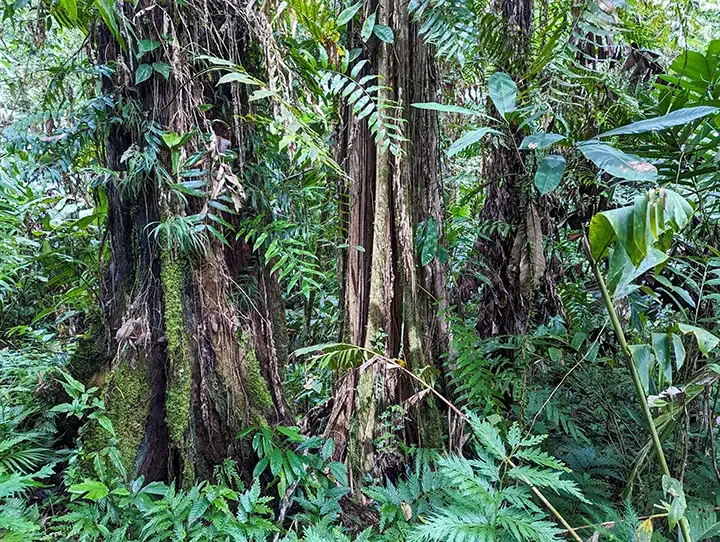
Padezaka’s customary forest is 4,823 hectares—3,792.8 of which form their carbon project area. Their forest is reached via the Kolombangara River. The river and forest alongside it are rich in biodiversity and comprise part of the nationally important Mount Maetambe Kolombangara River Corridor.
The healthy and intact rainforests that are protected as part of the Babatana project provide habitat for 21 frog species and many important birds including Midget flowerpeckers, Golden whistlers, Song parrots, Eclectus parrots, Crested cuckoo doves, black and white monarchs, White–billed crows, Blyth’s hornbills, fruit doves, lorikeets and Ultramarine kingfishers.
Choiseul is also home to the highest number of native mammals in the Solomon Islands, including the Giant horseshoe bat, and 14 species of reptiles including the green bellied skink, Pacific black skink and the Solomon red krait.
Te Tāngata - The People
Padezaka’s forest make up the largest forest area in the Babatana project. It was declared an official Protected Area in 2021 and Padezaka had their first verification audit in 2025, enabling them to start selling their credits.
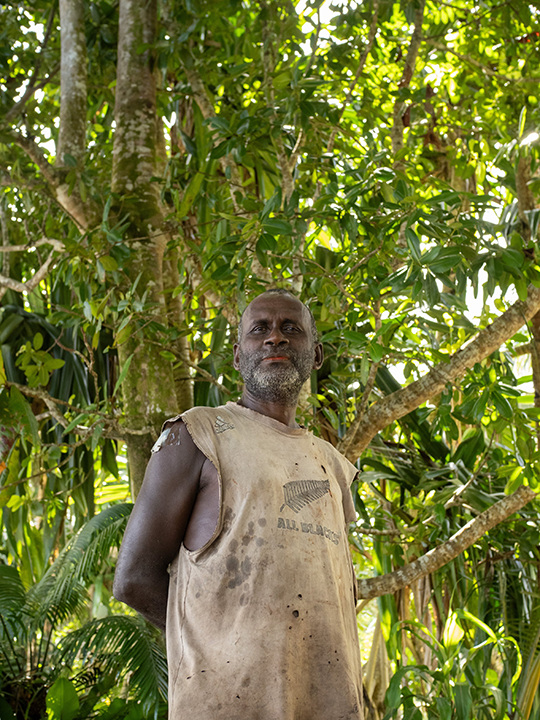
Income from credit sales will contribute to livelihood needs, school fees and sanitation facilities, shared fairly among community members. Right across the Babatana lands each forest conservation carbon project is owned and led by the Indigenous customary landowners.
Forests, rivers and coastal environments provide the main source of food, income, medicine, building materials, water, firewood and cultural connection for all the communities in the Babatana project.
Wāhi - The Location
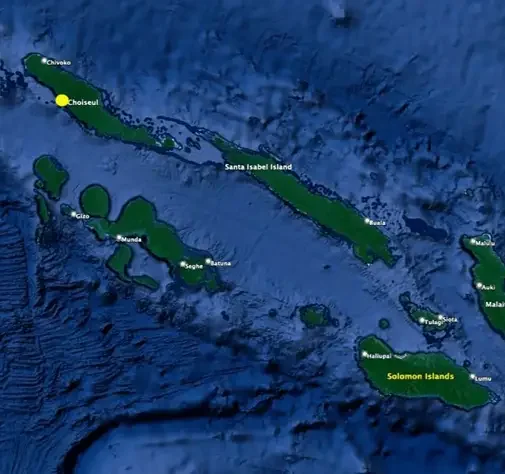
Padezaka Rainforest Conservation Project is located on the southern coast of Choiseul Island, in the Solomon Islands.
Technical Stuff
Padezaka: Babatana Rainforest Conservation Project
Project Name
4,823 ha of protected rainforest, 3,792.8 ha eligible for carbon income
Project Area
Padezaka Tribal Association
Project Owner
Nakau (Program Operator), NRDF (Project Coordinator)
Project Developers
Babatana Area, South Choiseul, Choiseul Province, Solomon Islands
Project Location
Continuation of conventional logging
Baseline Scenario
Permanent forest protection
Project Scenario
Improved Forest Management: logged to protected forest (IFM-LtPF)
Activity Type
Carbon sequestration; carbon emissions reduction; biodiversity conservation; water quality protection; climate resilience; community alternative income.
Project Benefits
Not applicable
Trees Planted
270,633 tCO2e on track for release in 2026
Carbon Credits Issued
Carbon Credit Standard
Mutu International
Verifier
S & P Global Registry
Carbon Credit Registry
Whāia Te Pūtea - Follow The Money
Rainforest conservation costs money. The main cost elements are:
Conservation management such as forest ranger and management committee salaries, monitoring boundaries to safeguard against illegal logging and tracking biodiversity.
Opportunity costs. This is the logging revenue for community and economic development that landowners chose to give up so they can protect the forest. Carbon income contributes to alternative community development and small business enterprise.
Measurement, reporting and verification costs of an internationally certified project, where rangers are required to regularly report that the forest protection is real and permanent. Costs are also required for remote forest monitoring technology to verify carbon measurement and reporting.
Partnership For Nature
Nakau acted as the Program Operator and NRDF as the Project Coordinator.

