
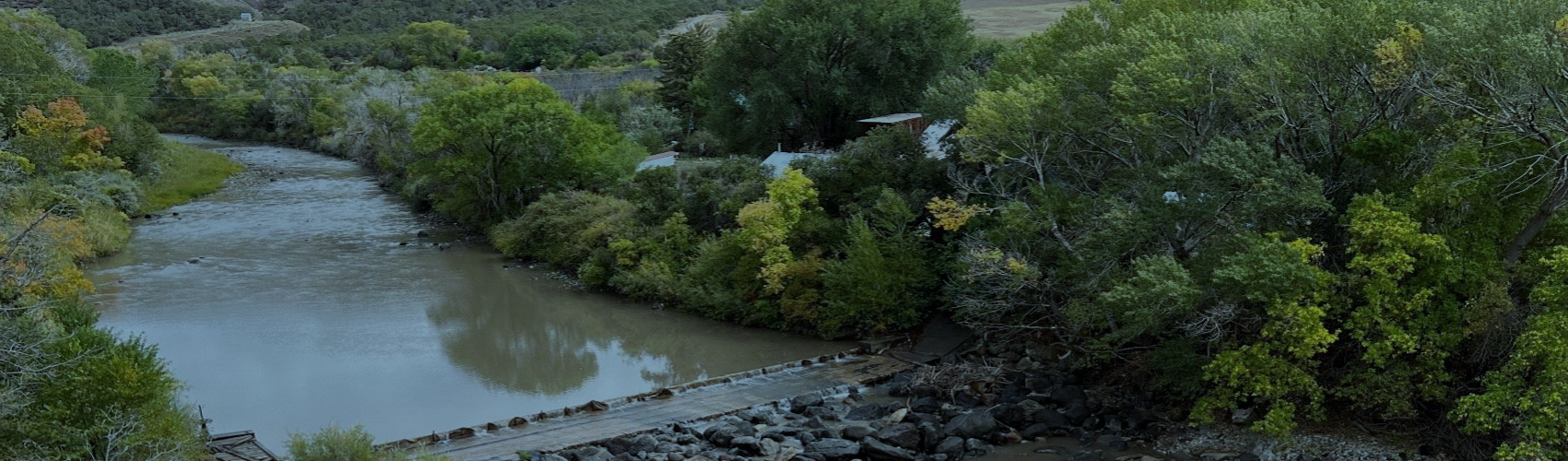
North Fork Water Conservation
Rebuilding irrigation and restoring native river habitat so farms and fish can both thrive on Colorado’s North Fork of the Gunnison.
Currently in the pipeline and not yet issuing credits.
- Project Idea Note
- Project Description
- Validation
- Verification & Credit Issuance
Three native fish have lost more than half of their historic range on Colorado’s North Fork of the Gunnison River. This project aims to reopen their river while keeping local farms productive.
The North Fork Valley in west central Colorado is an organic farming community. Cattle, poultry, fruit and vegetable production is the backbone of the local economy, and farms depend on irrigation water drawn from the river.
Working in partnership with private landowners and State agencies, the project will:
Rebuild major irrigation diversions so they work for both farms and fish
Remove barriers to native fish migration
Establish a diverse native riparian corridor along the river
Stakeholder engagement guides the work throughout. The project is being developed under Ekos BioCredita, our biodiversity credit programme.
Project Idea Note (PIN)
North Fork Water Conservation Project. PDF, October 2026.
Location
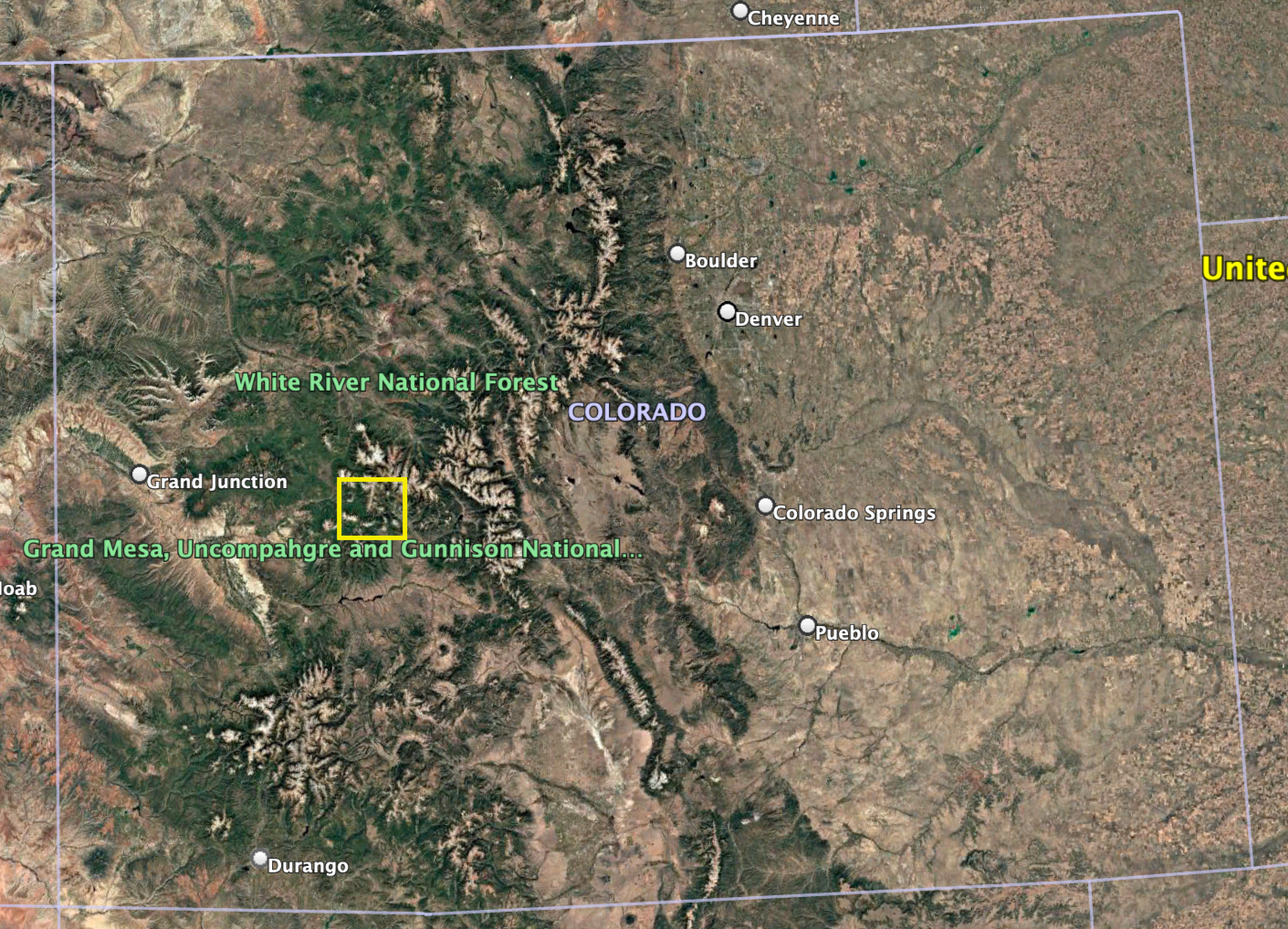
Located in Paonia in Colorado, USA.
What Is Being Protected
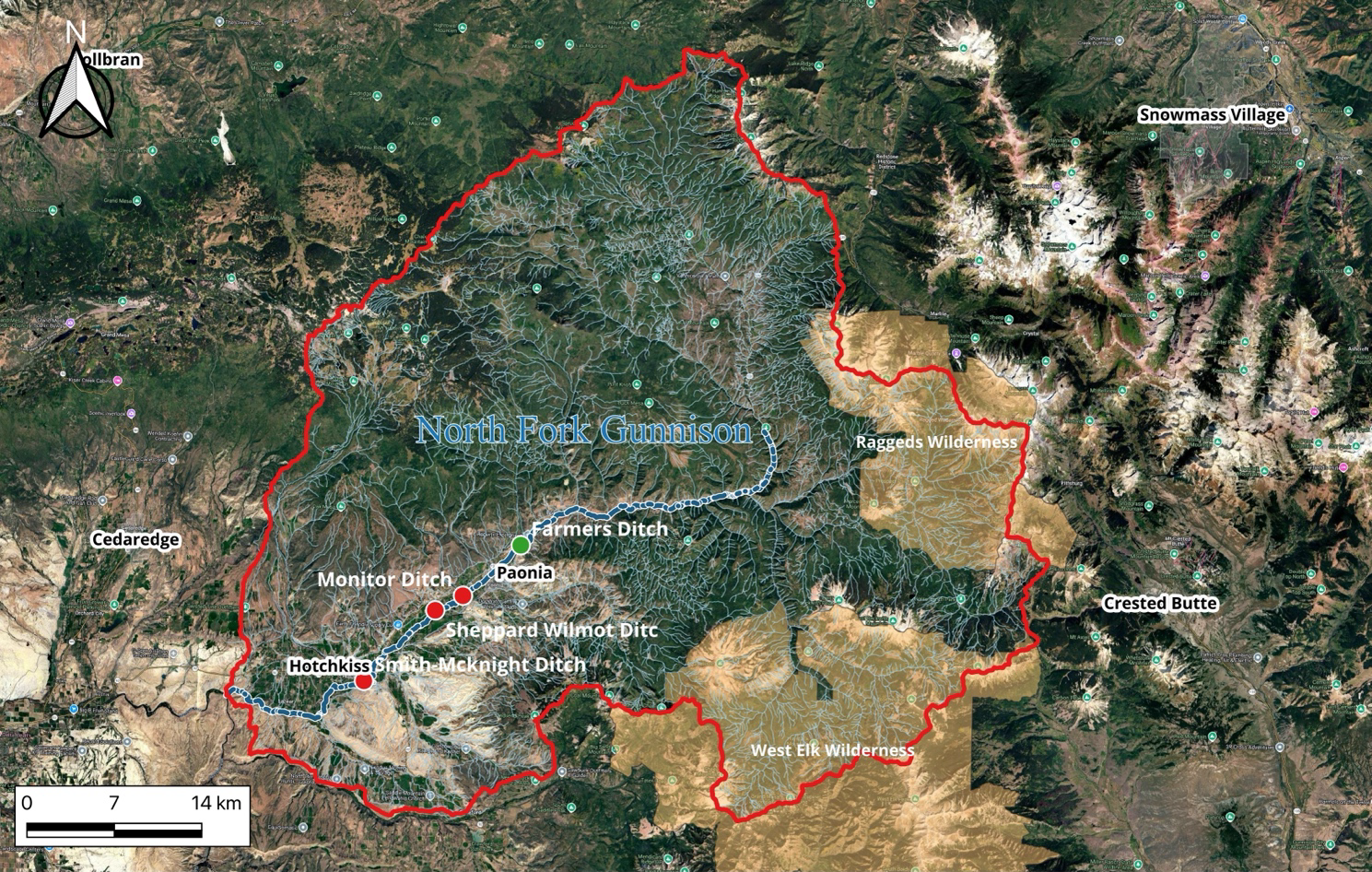
The project protects the North Fork of the Gunnison River, a 53 km stretch from its headwaters down to the mainstem Gunnison.
Three native fish
At the heart of the project are three native fish, known together as the “Three Species”: the Bluehead Sucker, the Flannelmouth Sucker and the Roundtail Chub. They live only in the Colorado River system, can live for 10 to 15 years or more, and are adapted to the region’s dramatic swings in flow and sediment.
Irrigation dams, diversions and channel straightening have pushed them out of more than half their historic range. They are now Species of Concern in Colorado, Wyoming and Utah, yet they have no federal protection.
An unbroken river
Rebuilding the Farmers’ Diversion alone will reopen at least 21 km (13 miles) of river and four small spawning tributaries. That would make the North Fork the longest unbroken tributary of the lower Gunnison.
The riverside corridor
The project also protects and restores the riverside corridor of willow, Fremont cottonwood, alder, aspen and buffaloberry, replacing invasive plants with natives. This corridor steadies the banks, supplies insects for fish and shelters wildlife.
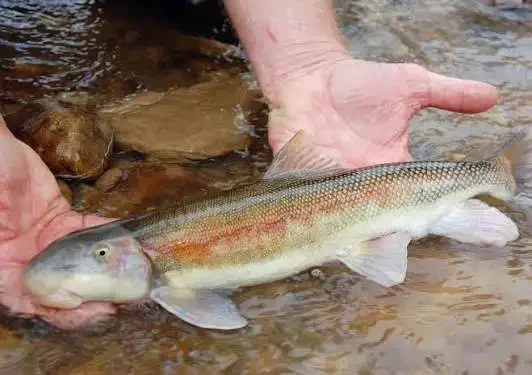
Bluehead Sucker
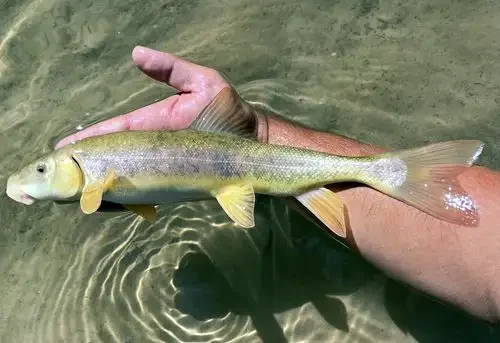
Flannelmouth Sucker
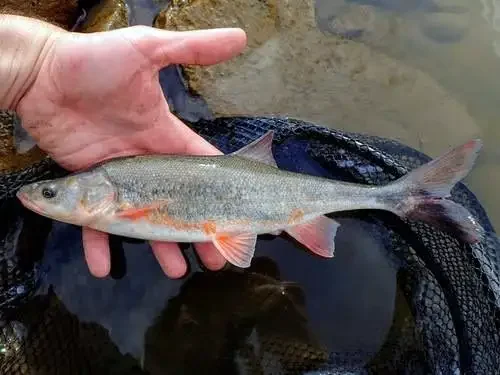
Roundtail Chub