
Khomyn Tal National Park
Bringing the takhi home: growing Mongolia’s wild Przewalski’s horse population across 618,000 hectares of protected wilderness.
Currently in the pipeline and not yet issuing credits.
- Project Idea Note
- Project Description
- Validation
- Verification & Credit Issuance
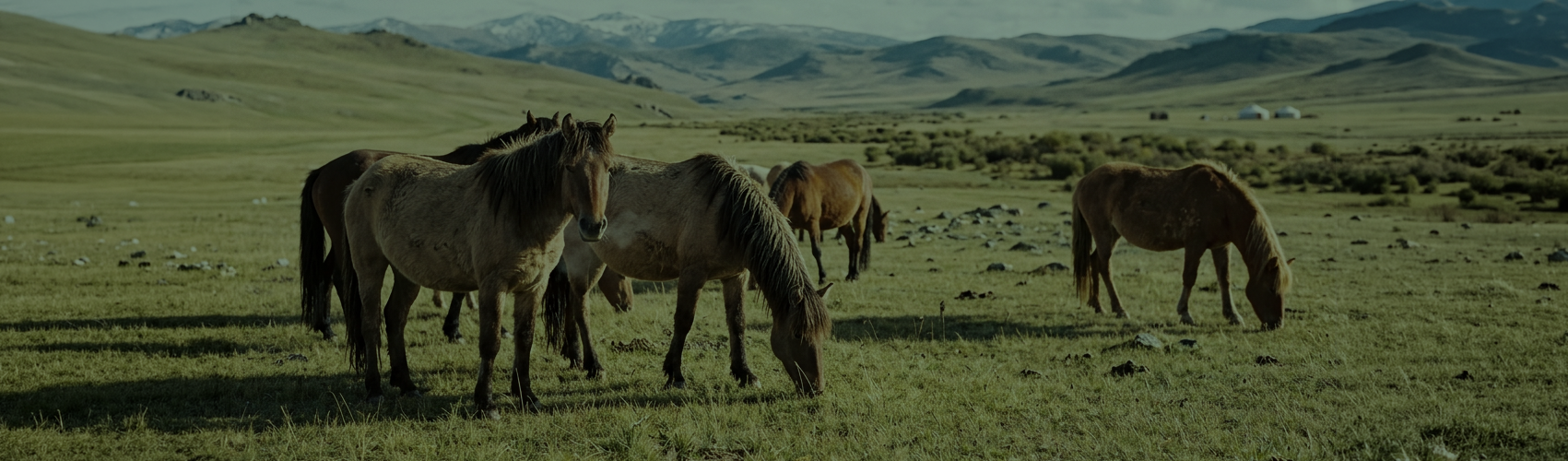
The takhi, or Przewalski’s horse, was once extinct in the wild. Today 157 wild takhi live in Khomyn Tal National Park in western Mongolia, and the park aims to build a viable population of 1,000 to 1,500.
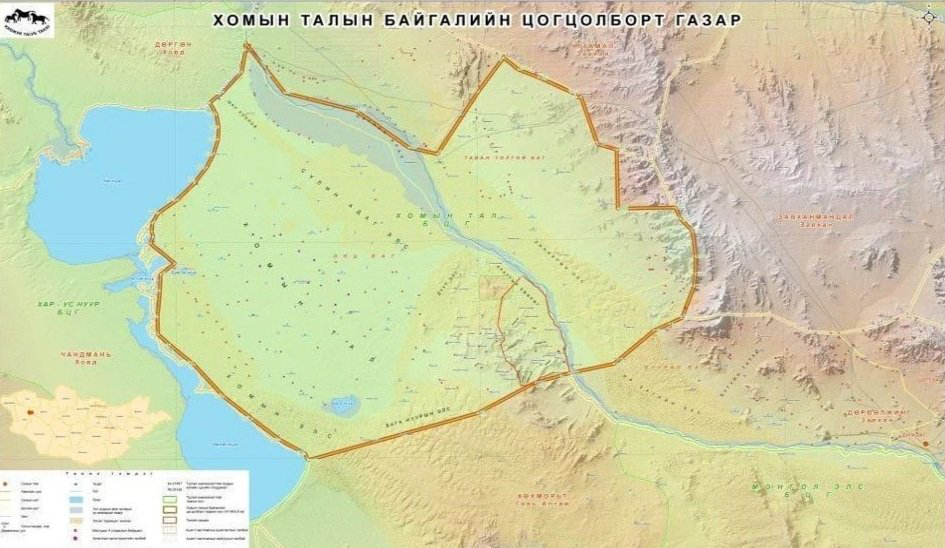
Established in 1993, Khomyn Tal Takhi (KTT) National Park and its buffer zone protect 618,378 hectares of remote and largely pristine wilderness. Alongside the takhi live Mongolian gazelle, saiga antelope, snow leopard and a rich variety of other ungulates, birds, small mammals and insects.
KTT became an NGO in 2014 and is part of the global Przewalski’s Horse Conservation Alliance. Its work focuses on ecosystem restoration, species reintroduction and long term habitat protection, and it aims to be a model for reintroduction projects in Mongolia and around the world. In 2025 the park was designated a UNESCO Biosphere Reserve, recognising how it balances conservation with sustainable human development.
The park currently relies mostly on international grants, with a small but growing income from ecotourism. A biodiversity credit programme through Ekos BioCredita would give it a sustainable source of funding to continue this work, expand protection and support community based natural resource management

Project Idea Note (PIN)
TKhomyn Tal National Park Project. PDF, October 2026.
Location
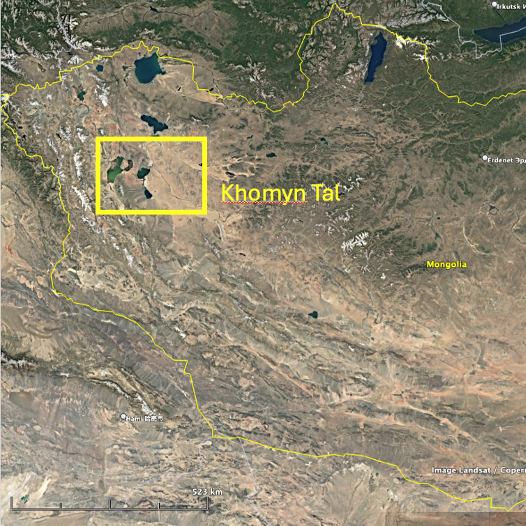
Located in the Great Lakes Basin of western Mongolia.
What Is Being Protected
Khomyn Tal National Park protects 411,404 hectares of desert steppe, lakes and river country in western Mongolia.
Back from extinction in the wild
At the heart of the park is a reintroduced herd of 157 takhi (Przewalski’s horses), a species that was once extinct in the wild and has been brought back to these grasslands.
A refuge for rare wildlife
The park’s varied ecosystems support 31 species on the global Red List, including critically endangered, endangered and vulnerable species. It also shelters black tailed and white tailed gazelles, saiga antelope, snow leopard and Pallas’s cat, along with a wide range of birds, small mammals and insects.
The habitats that keep them going
The project protects the habitats these animals depend on:
Desert steppe and native pastures that feed the park’s wild grazers
Natural springs that feed its lakes, which are at risk of drying out
Baga Nuur, a highly productive lake and a vital stopover for migratory birds
Sea buckthorn and willow shrubland along the Zavkhan River
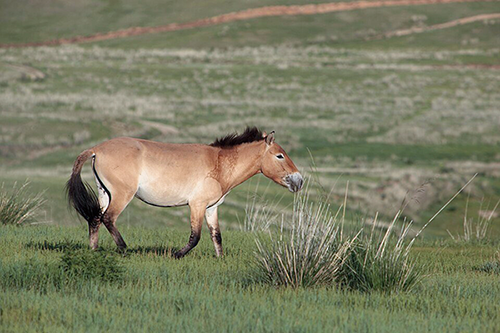
Takhi / Prezwalski’s horse
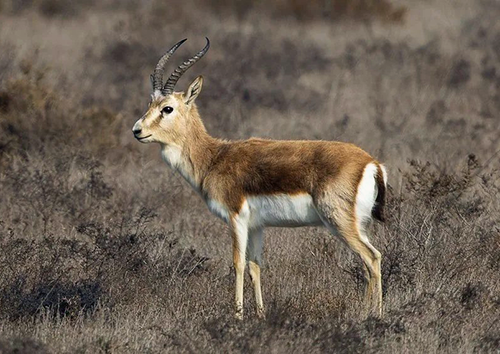
Black-tailed gazelle
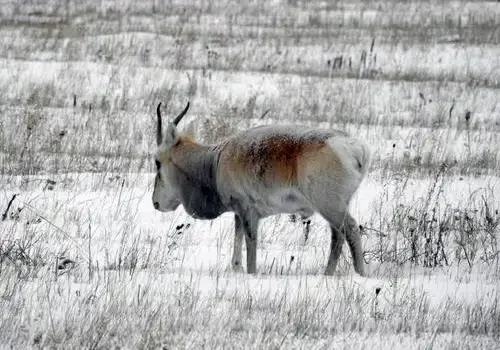
White-tailed gazelle
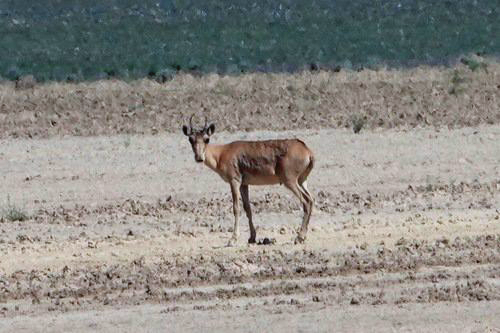
Mongolian Saiga
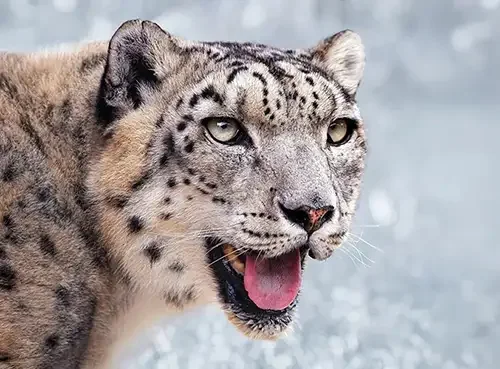
Snow Leopard
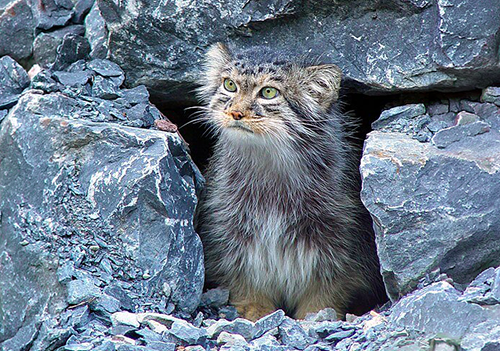
Pallas’s cat