
Hinterland Habitat
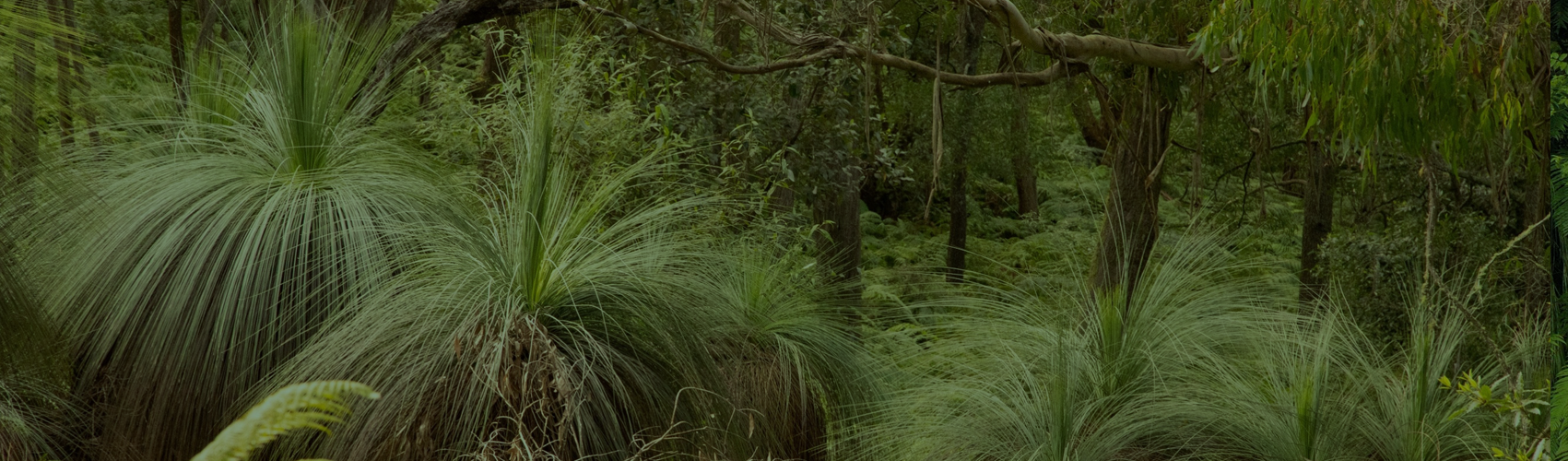
Community hands restoring a wildlife corridor for koalas, greater gliders and giant barred frogs in the Sunshine Coast Hinterland.
Currently in the pipeline and not yet issuing credits.
- Project Idea Note
- Project Description
- Validation
- Verification & Credit Issuance
The Sunshine Coast Hinterland in South East Queensland is a critical biodiversity hotspot, within the Sunshine Coast Biosphere, a reserve recognised by UNESCO where sustainable living and active conservation go hand in hand.
The project has two aims:
Restore degraded land in a key biodiversity corridor to a healthy, functioning ecosystem
Deliver real benefits to the local community by involving people in the work
The project is being developed with an engaged landholder, so the long term plans for the property suit both the landholder and the ecological goals. It will restore core habitat and reconnect fragmented areas by planting and maintaining native vegetation and controlling invasive weeds. This will give threatened species such as koalas, greater gliders and giant barred frogs safe ways to move through the landscape, along with food and nesting sites.
Community members will do most of the work, from tree planting to weed control and maintenance, alongside practical learning events. Taking part gives them hands on skills and a boost to their wellbeing.

Project Idea Note (PIN)
Hitherland Habitat Restoration Project. PDF, September 2026.
Location
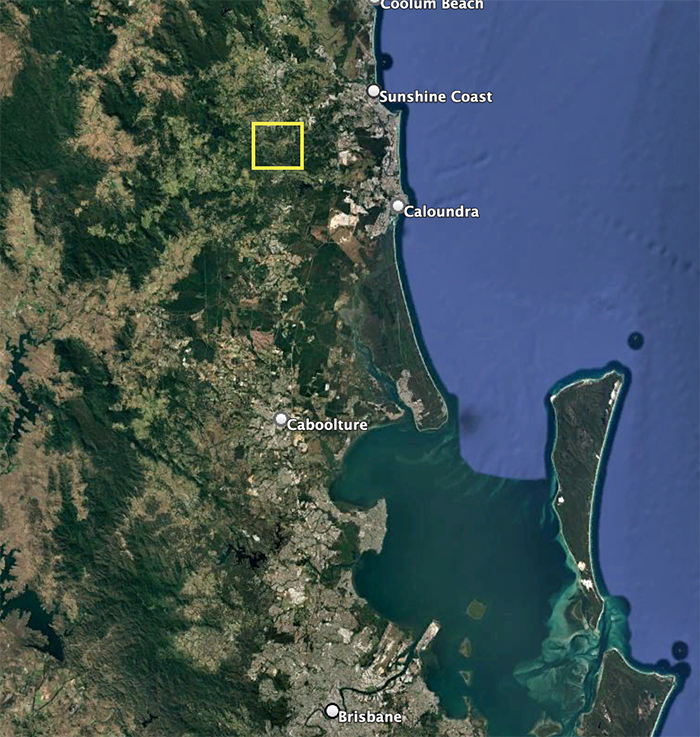
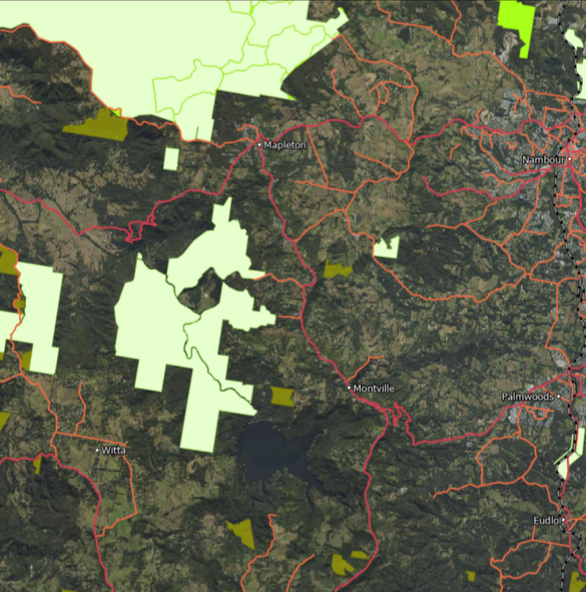
Located in Sunshine Coast Hinterland, Queensland, Australia
What Is Being Protected
The project restores habitat in the hilly Sunshine Coast Hinterland. Years of grazing have degraded around 70% of the land, and only 20 to 30% of the native vegetation remains, mostly on steep slopes, in gullies and along the creek.
The remaining bush
This remnant bush is mixed open forest of pink bloodwood, Queensland blue gum, tallowwood, small fruited grey gum and brushbox, with an understorey of wattles, forest she oak, native grasses and ferns. Along the creek it gives way to gallery rainforest of bunya pine, red cedar and rose gum, an ecosystem listed as endangered in Queensland.
The threats
Lantana and smothering weed vines are pushing into these forests, and cattle have damaged the creek banks. The project will control the weeds and replant native species to reconnect these fragments of forest.
The wildlife that benefits
Over the long term, this will let the old hollow bearing trees that wildlife depends on return. It will help koalas, which feed on eucalypts and brushbox and struggle to move through lantana thickets. It will also help greater gliders, powerful owls and glossy black cockatoos, which need tree hollows to nest and shelter, and giant barred frogs along the creek.
Why it matters
This matters in a region where nearly half the ecosystems are threatened and 135 native plant and animal species are listed as threatened, 26 of them critically endangered.
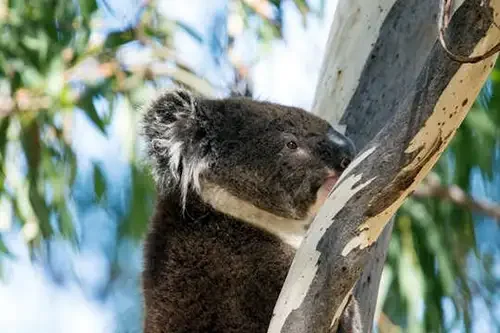
Koala
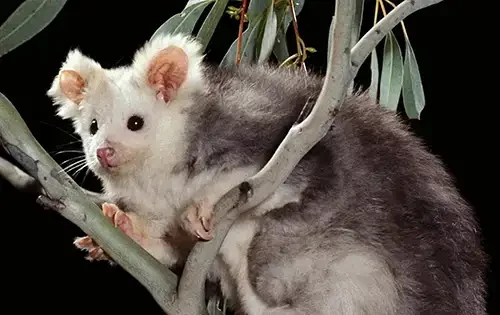
Greater glider
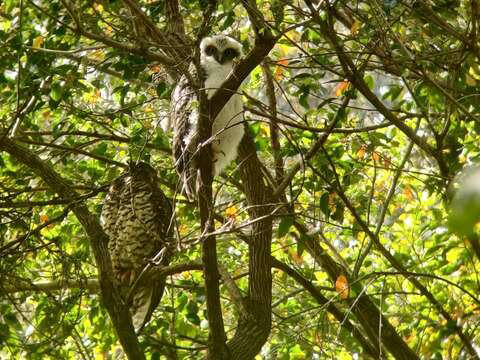
Powerful Owl
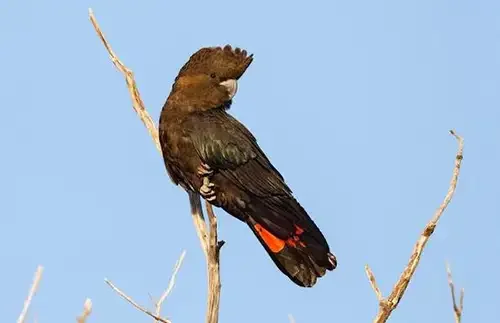
Glossy black-cockatoo
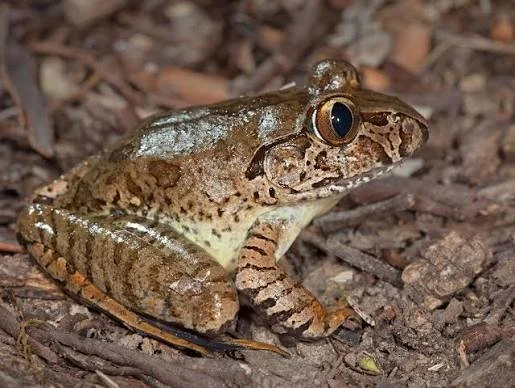
Giant barred frog