Coast to Canopy
Native Forest Carbon Project
Te Ngāhere -The Forest
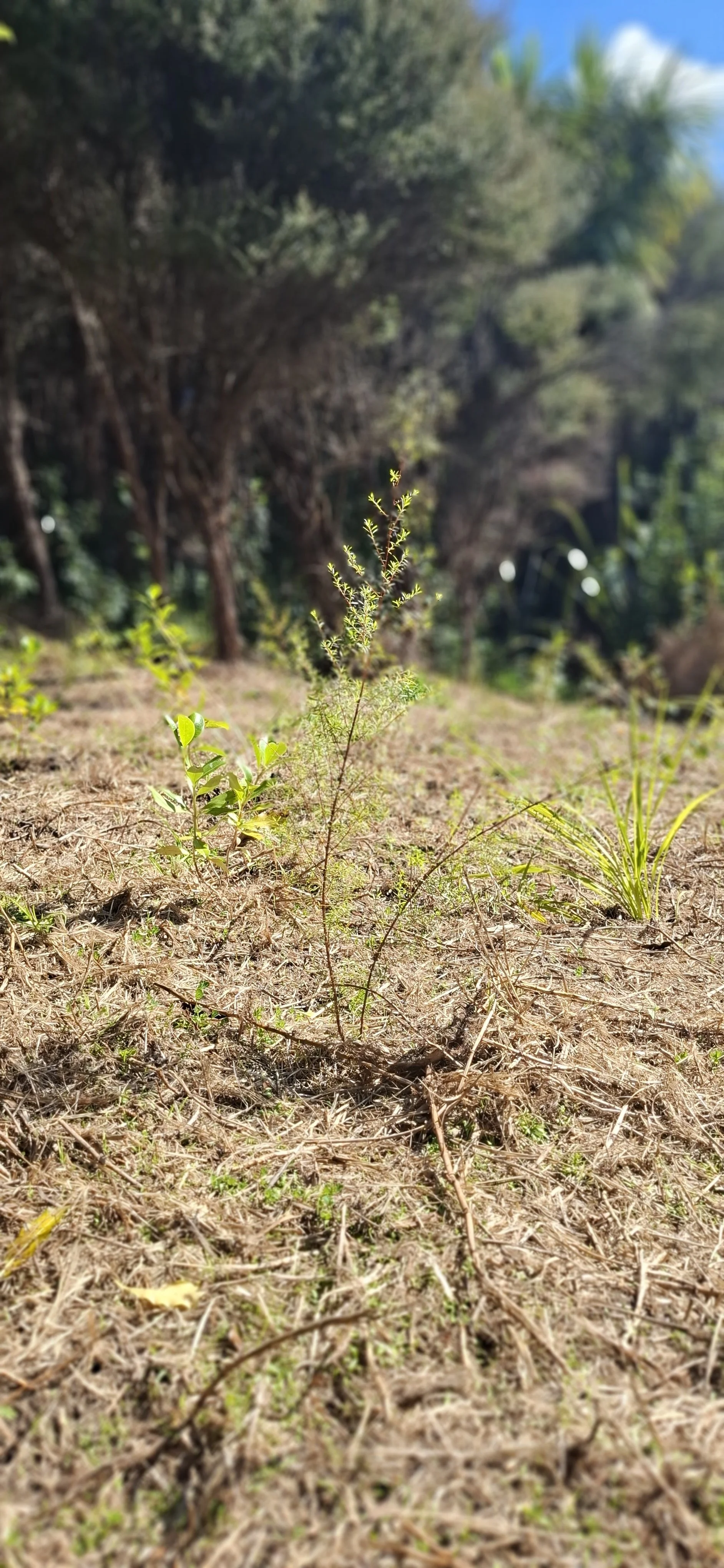
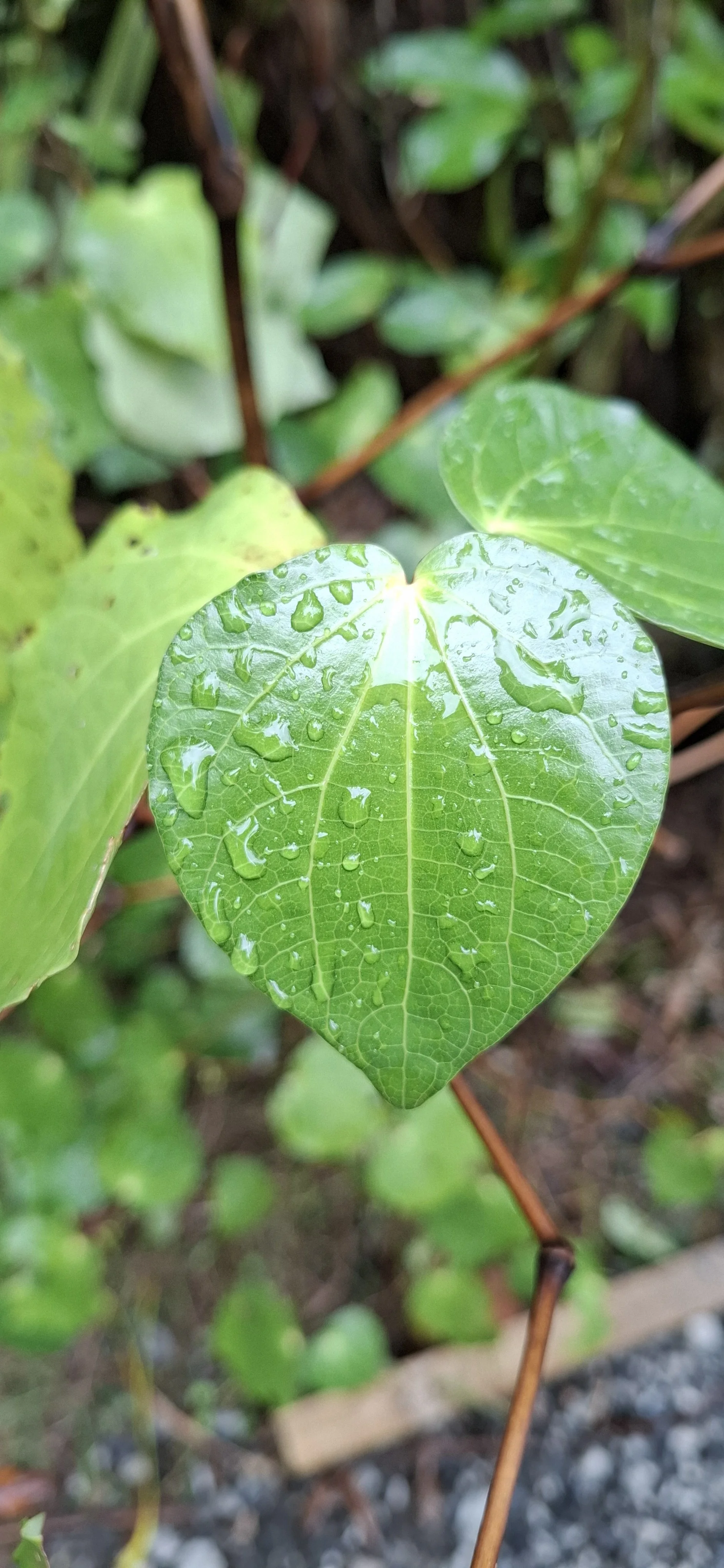
On the rural fringe of North Auckland, where farmland gives way to bush-clad gullies, 15.88 hectares of native forest now stands at Coast to Canopy in Waitoki. What was once farmland is thick with kānuka, mānuka, tī kōuka, toetoe, harakeke, mahoe, kawakawa, rewarewa, kōhia, karaka, houhere, māpou, pūtaputawētā, porokaiwhiri, houhou, whau, mānatu, karo, koromiko and kōwhai, and canopy trees are now beginning to emerge through that cover - including kahikatea, tōtara, kauri, puriri, tītoki, tānekaha and nīkau - planted with real intent, not left to chance.
The transformation began in 2010, when the property’s beef farm was retired and the land handed back to nature. Initial planting was carried out in stages over four years, and supplementary planting has continued ever since - a legacy that current owners Rhys and Ann-Marie, who took on the property in October 2023, have picked up and carried forward.
The work doesn't stop once the trees go in the ground. Trap lines are walked and pest plants pulled on an ongoing basis, giving every new planting a real chance to establish, and additional native trees continue to go in regularly as the forest matures, layer by layer.
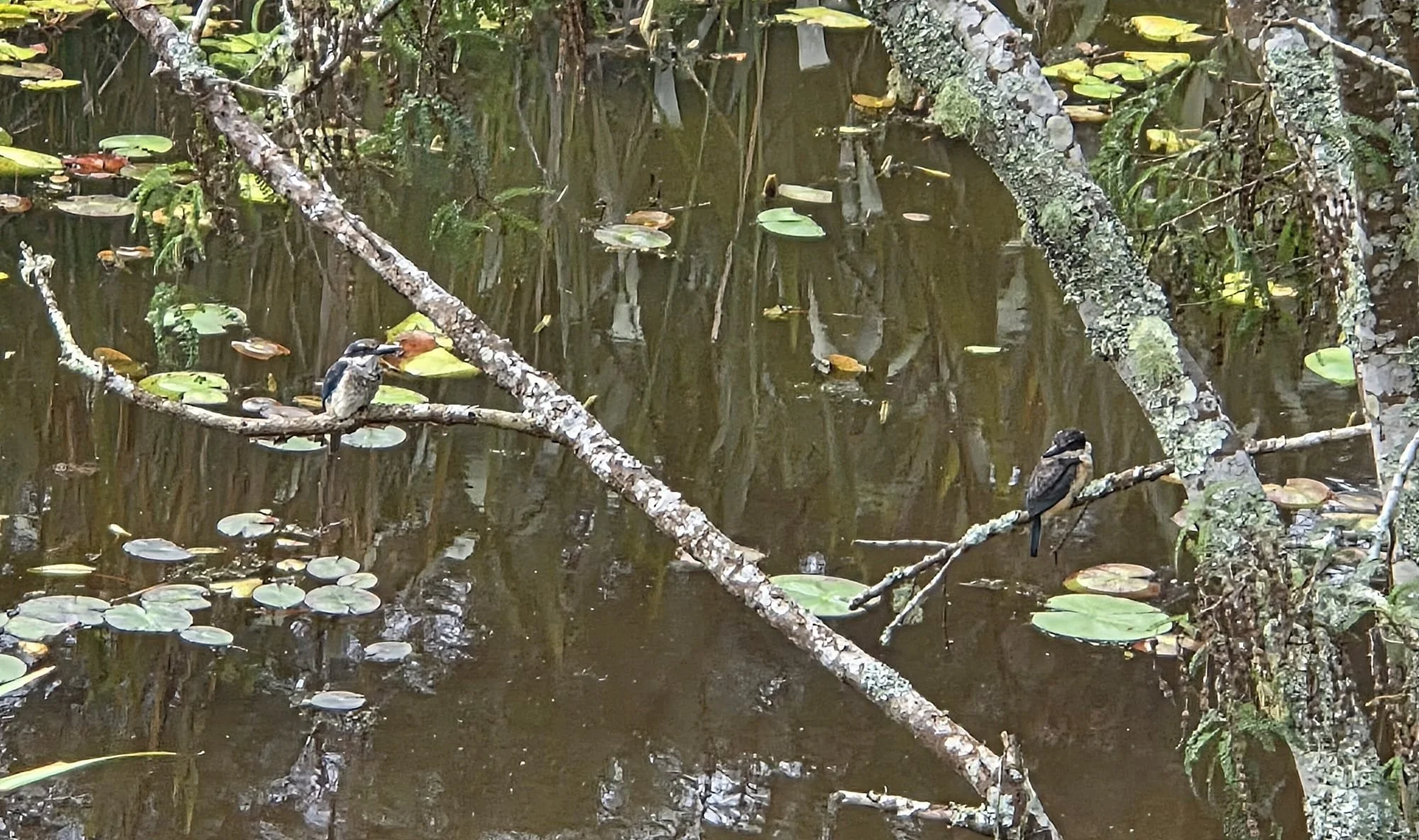
That sustained effort is paying off. Native birdlife is now abundant and thriving across the site - kererū move through in flocks, tūī call from the kowhai, and indigenous wildlife more broadly is finding its way back to a landscape that, not so long ago, was open pasture.
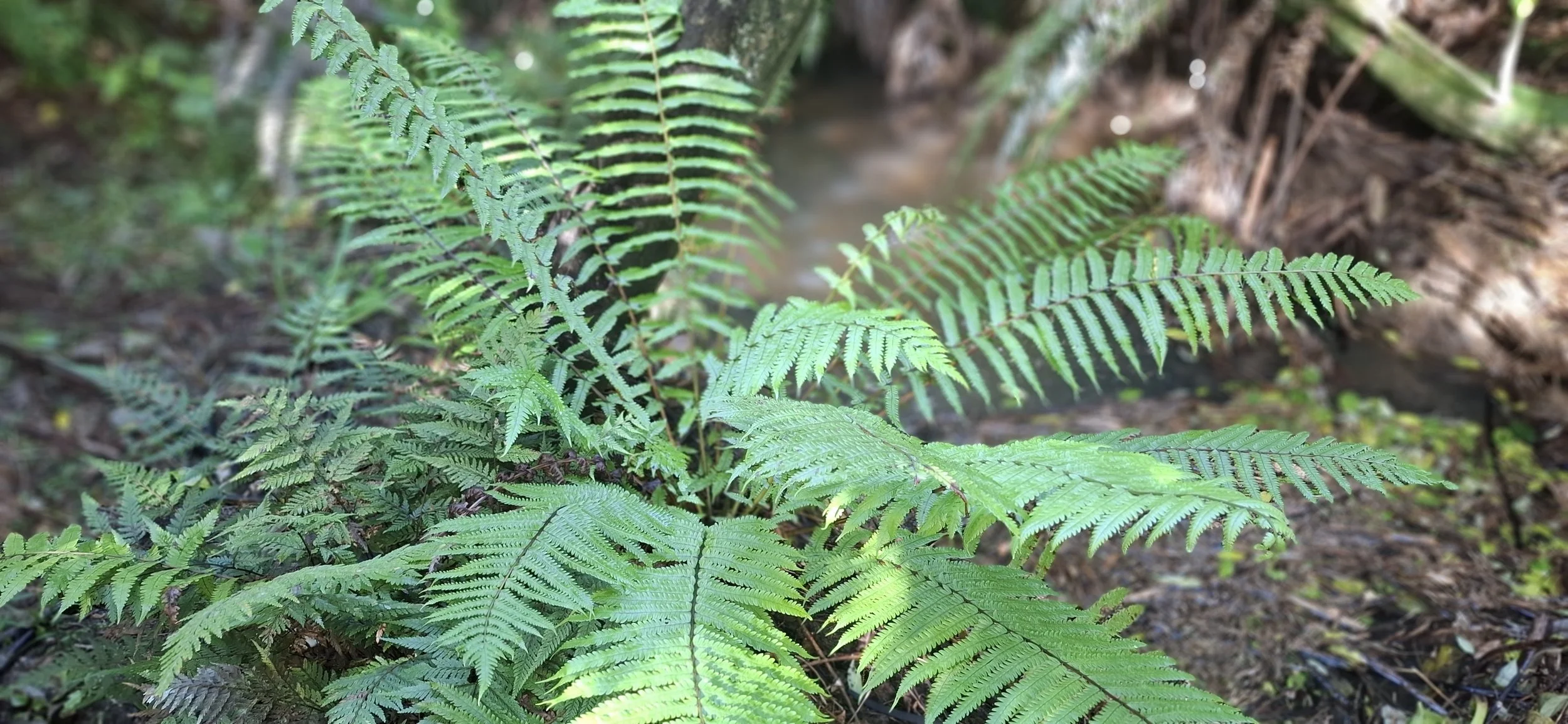
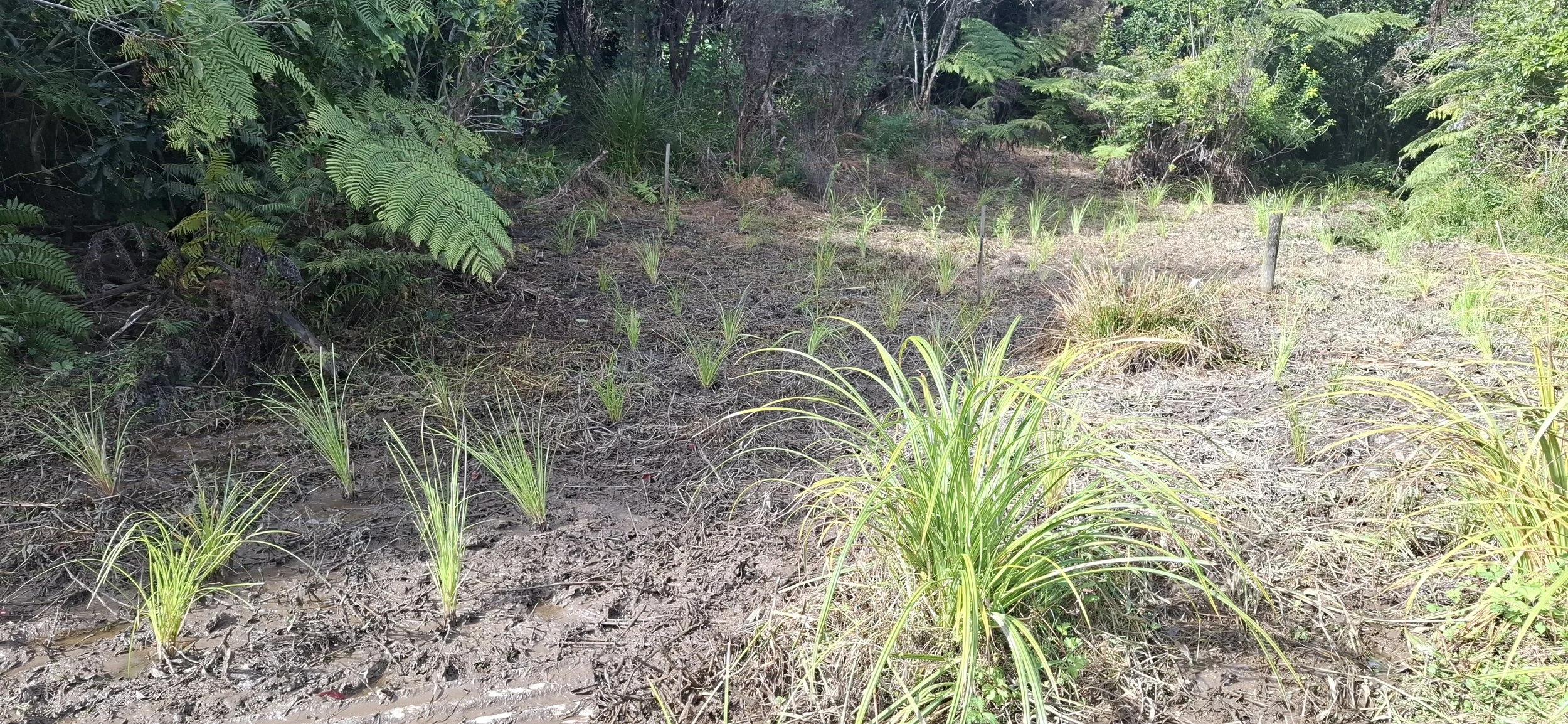
The work has now spread beyond the treeline. Winter of 2026, an adjoining wetland restoration got underway in earnest, with 1,000 native trees and wetland plants going in - filtering water, creating new habitat, and stitching the whole site together as one living system, from the ridgeline down to the water’s edge.
Te Tāngata -The People
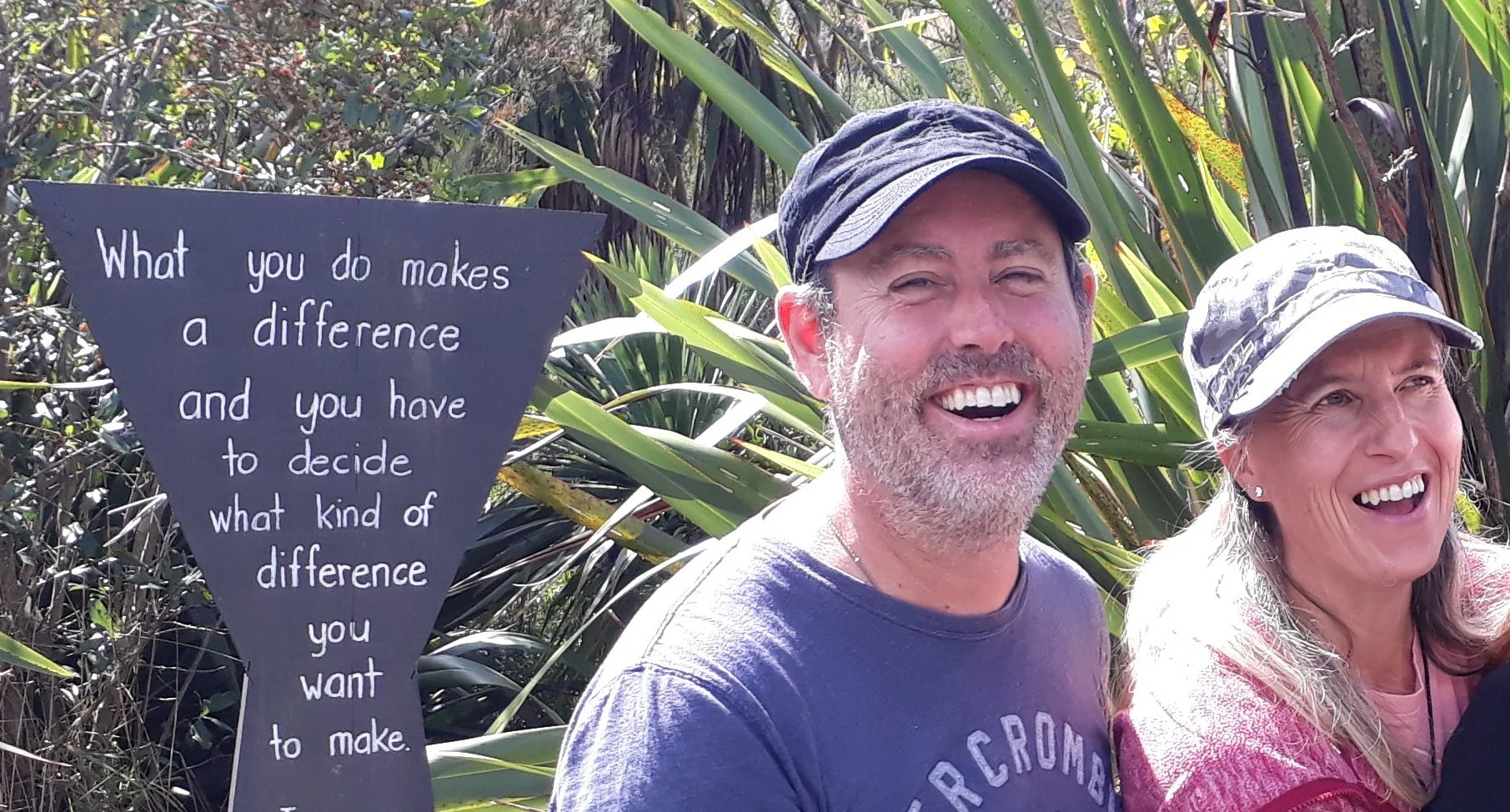
Coast to Canopy is cared for by Rhys and Ann-Marie, who purchased the property in October 2023 - taking on a restoration story that began over a decade earlier, when the previous owners retired the site’s beef farm and set it on a path back to native forest. Neither set out to become conservationists by trade; they’re simply two people with a deep passion for the environment who saw the potential in this land, wanting to use their experience in environmental education and enhance what had already been started.
“We’re not just maintaining what’s here - we want to enhance it, and see this become part of something bigger: a real corridor of native habitat running through this part of North Auckland.”
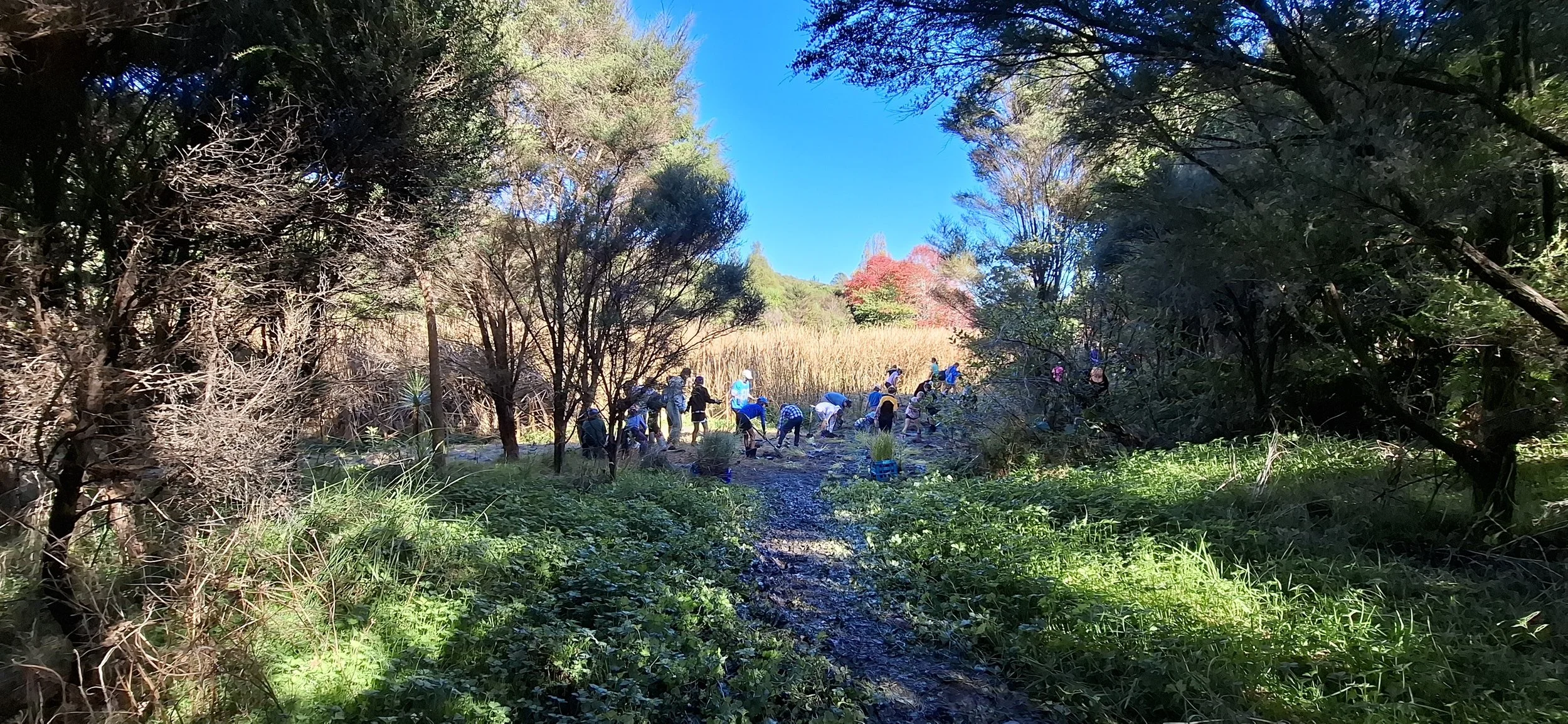
It’s a long game, measured in decades rather than seasons, and Rhys and Ann-Marie are in it for the long haul. They’re also active in the wider conservation community, using the property as a resource for education - hosting local school planting days so the next generation gets their hands in the soil, and welcoming university researchers studying pest animal control on-site, so the lessons learned here can help other landowners doing the same mahi elsewhere.
Their ambition reaches beyond their own boundary. Rhys and Ann-Marie want to inspire neighbouring landowners to take on similar projects, linking up remnant and regenerating bush into a continuous corridor of native habitat - a connected landscape where matuku moana, matuku herepo, spotless and banded crake can find safe wetland habitat, where kererū move through in flocks and tūī call from the canopy, and where, one day, kiwi might once again reside in harmony with them all.
Wāhi - The Location
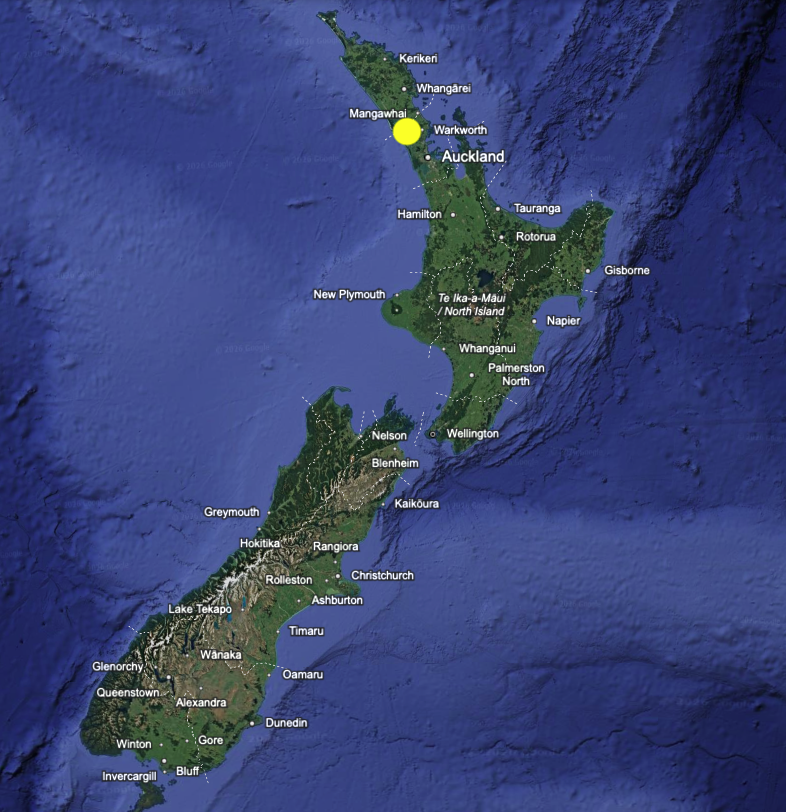
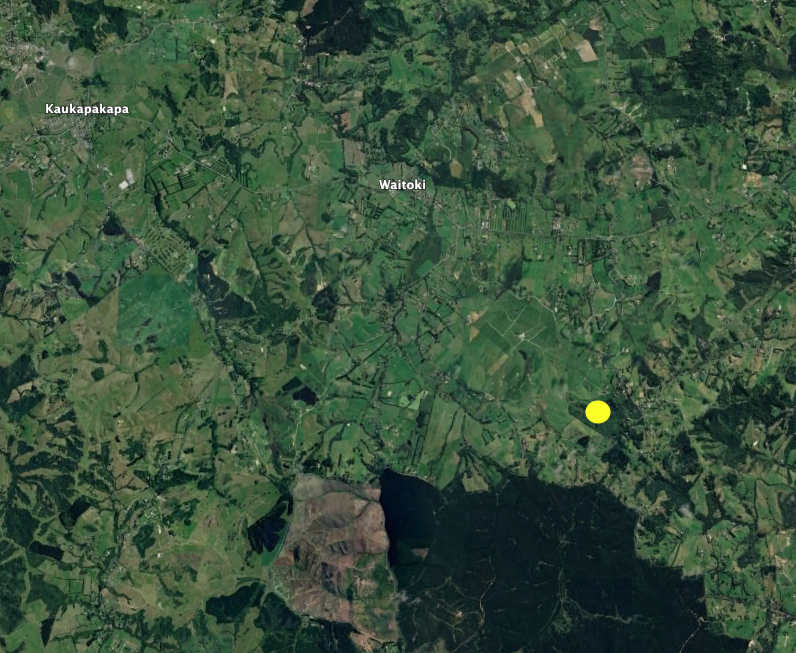
Coast to Canopy is located in Waitoki, in the rural north of the Auckland region - an area of rolling farmland and forest remnants where lowland native bush and wetlands have become increasingly rare, and where every hectare returned to forest counts.
Technical Stuff
The Coast to Canopy project is being undertaken under the Permanent Forest Category of the New Zealand Emissions Trading Scheme. The project issues New Zealand Units (NZUs) based on New Zealand Government rules for carbon sequestration rates by indigenous forest.
Once the NZUs are sold to a carbon offset buyer, they are cancelled in the New Zealand Emissions Trading Registry so they cannot be used by (or sold to) anyone else.
A snapshot of the project at a glance:
Coast to Canopy
Project Name
15.88 ha regenerating native forest, plus an adjoining wetland restoration area
Project Area
Rhys & Ann-Marie (landowners since October 2023)
Project Owner
Rhys & Ann-Marie
Project Developer
Waitoki, North Auckland, New Zealand
Project Location
Beef farm
Baseline Scenario
Permanent native forest protection
Project Scenario
Afforestation via extensive planting programme, with active wetland restoration
Activity Type
Carbon sequestration; biodiversity conservation; water quality protection; climate resilience
Project Benefits
Beef farm retired in 2010 and returned to native bush; initial planting carried out in stages over four years, with supplementary planting continuing ever since
Restoration History
Supplementary native planting continues year-round; 1,000 additional native trees and wetland plants established in the wetland in winter 2026
Planting Programme
New Zealand Emissions Trading Scheme - Permanent Forest Category
Carbon Credit Standard
Ministry for Primary Industries
Verifier
Carbon Credit Registry
Whāia Te Pūtea - Follow The Money
Conservation isn’t free, and Coast to Canopy is funded by the people doing the work on the ground. Every dollar of carbon credit revenue goes straight back into three things:
Ongoing management: Trap lines need checking, pest plants need pulling, fences need maintaining, and new natives need planting - the unglamorous, unending work of turning regenerating scrub into resilient, self-sustaining forest.
Wetland restoration: The 1,000 trees and wetland plants going in the winter of 2026 are the start of an expanding programme to restore the site’s wetland alongside the forest above it.
Opportunity cost: Every hectare protected here is a hectare Rhys and Ann-Marie have chosen not to farm, develop or sell for another use - a deliberate, ongoing trade-off in favour of the land’s future. The forest has been covenanted to ensure the investment made today will have long term benefits.
By purchasing carbon credits from Coast to Canopy, buyers directly fund the pest control, planting and wetland restoration that keep this forest growing - turning a paper commitment to reduce emissions into real, on-the-ground native forest restoration in North Auckland, forever.
Ongoing trap lines and pest plant control across the property
Pest Management
Thriving native bird populations including flocks of kererū and tūī, with wetland restoration targeting habitat for matuku moana, matuku herepo, spotless crake and banded rail/crake, and a long-term goal of kiwi
Wildlife
Host site for university pest animal control research; regular local school planting days
Research & Education