
At UN CBD COP17 in Yerevan, Armenia, Ekos CEO Sean Weaver hosted a workshop on unlocking deal flow in biodiversity markets with Kristen Sullivan, Biodiversity Lead at Deloitte Global, and Joshua Brann, Technical Coordinator at the Biodiversity Credit Alliance. Sean shared where biodiversity credit deals are really happening, including a beer that sold out in a week, and what it will take to grow the market.
In May, Ekos was the top trader in the global biodiversity credit market for the month, with credits from Sanctuary Mountain Maungatautari in New Zealand. Sean’s message was that deals are happening, but mostly where someone has used their imagination.
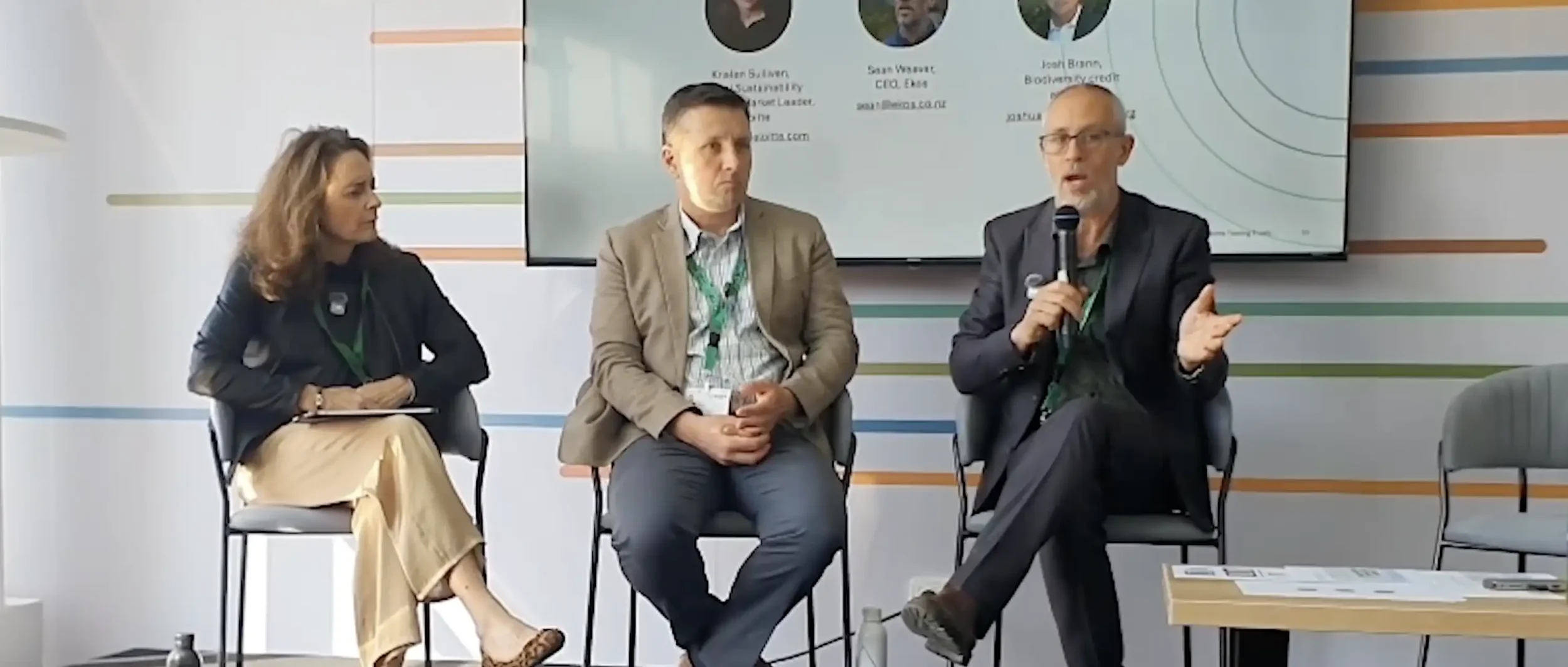
Hosting the workshop at UN CBD COP17: Kristen Sullivan (Deloitte Global), Joshua Brann (Biodiversity Credit Alliance) and Sean Weaver (Ekos)
Inside the workshop
The aim was to identify the practical barriers to deal flow and explore how stronger alignment could unlock more finance for biodiversity, support implementation of the Kunming Montreal Global Biodiversity Framework, and help close the estimated US$700 billion annual biodiversity finance gap. Sean's contribution was the view from the front line of the market: what Ekos has actually sold, to whom, and why.
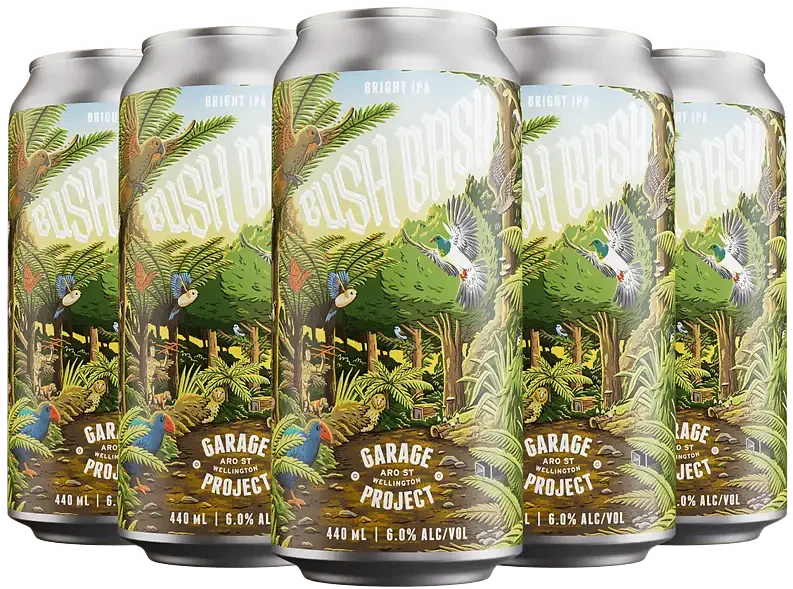
Every can adds $2 for Sanctuary Mountain Maungatautari. The first batch sold out within a week.
A beer, a mountain and a $2 surcharge
The most recent trade came from the mountain itself. A beer company added a voluntary $2 surcharge to every beer, and that $2 goes to Sanctuary Mountain Maungatautari. In Sean’s words, “every time somebody buys a can of beer, they’re contributing to the mountain.” The beer launched the week before his talk and had already sold out.
What a few cents could do
Sean’s point is that surcharges only need to be small. New Zealand’s hospitality sector turns over $60 million a day. A very small markup would take a $6.33 coffee to $6.36, a difference most buyers wouldn’t notice, and across the sector it would raise about $300,000 a day and $100 million a year.
Biodiversity credits in the carbon bag
Most Ekos trades so far have been bundles of carbon and biodiversity credits. The reason is price. A native forest carbon project in New Zealand needs about US$150 a tonne, which most New Zealand buyers won’t pay. At about NZ$50 a tonne many will, so Ekos puts one carbon credit and two biodiversity credits in the bag at an aggregate price of $50. Sean calls this a blend, as opposed to “single malt” biodiversity credits sold on their own. It has given Ekos real market traction, though he was clear it isn’t where Ekos wants to stay.
Buyers who want a story they can trust
KiwiBank bought 1,545 credits from Sanctuary Mountain Maungatautari, and a hotel in Poland bought from the same New Zealand project because it wanted to tell a good story and have high quality credits it could trust. Trust is the thread running through the market. Sean compared it to a delicatessen: stinky cheese, olives and weird breads, each priced differently, all trusted to be good quality. Every Ekos credit sits on a public BioCredita registry, with blockchain proof that it has been retired so it can’t be sold twice.
What will take the market further
Demand. Sean put the global biodiversity financing gap at around $700 billion a year, far more than philanthropy and government funding can close, and projects won’t happen without buyers at scale. Many buyers still say they aren’t sure what claims to make or whether the supply data will fit them. That mismatch is what the workshop set out to tackle, and it is the focus of work Ekos is doing with Deloitte over the coming months to map what buyers need and connect it to supply.
Sean also believes governments have a key role. The carbon market grew to scale because governments created mandatory demand, and in his view the biodiversity market will scale much faster once governments are bold enough to do the same.
Watch the talk
Watch Sean’s full presentation, Unlocking Deal Flow in Biodiversity Markets, on the Ekos YouTube channel, where you’ll also find short clips from the talk.